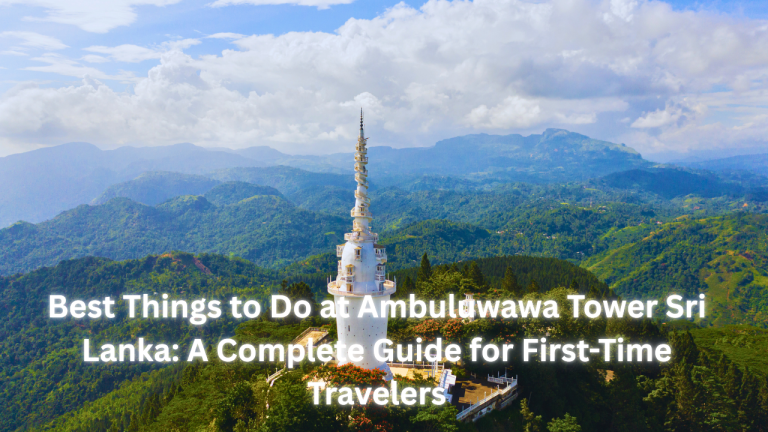
Delft Island is a tourist’s paradise filled with postcard-worthy beaches, lush tea plantations, and ancient temples, yet it is not overwhelmed by visitors. The island has many similarities to Sri Lanka, including its colonial ruins, coral-shrouded shores, wind-sculpted cliffs, and untouched sandbars that attract few visitors. Its beauty comes with its own sense of mystery, as well as the feeling of having been forgotten in time.

By contrast, the western shoreline and verdant hills of Nuwara Eliya seem like locations from the 1800s, while Delft Island offers something different: stillness, simplicity, and a sense of stillness.
In this complete guide, you will learn everything you need to know about Delft Island in Sri Lanka – from how to get there, what to see, where to eat, and how to make your trip unforgettable. Settle in, because you’re about to travel somewhere extraordinary.
Where is Delft Island in Sri Lanka?
Delft Island is located in the far north of Sri Lanka, just off the coast of Jaffna in the Palk Strait. It is part of a chain of islands including Nainativu and Pungudutivu, but Delft stands out because of its coral foundation, Dutch-influenced history, and naturally roaming horses.

The island stretches roughly 8 kilometers in length and around 6 in width – small enough to explore in a day, yet vast in stories.
Why Delft Island Remains So Special
Most travelers flock to Colombo, Ella, Galle or Kandy. Delft Island, however, remains minimally touched by commercial tourism. No bustling shops, no traffic, no loud nightlife – just wind, waves, coral fences, grazing ponies, and the slow breathing rhythm of island life.
The beauty here isn’t manufactured. It’s raw, natural, and deeply rooted in history.
Best Time to Visit Delft Island
🌞 December to April
Dry season, calm seas, smooth ferry rides, pleasant heat for walking & photography.
🌤 May to July
Still accessible, but expect occasional rough sea conditions.
🌧 Avoid November + Monsoon Period
Ferries may get canceled. Travel can become unpredictable.
If you want perfect weather and the best ocean views, January and February are ideal.
How to Get to Delft Island in Sri Lanka

Reaching Delft Island is an adventure of its own. Unlike other tourist destinations, there’s no bridge or modern highway – you must cross the ocean by boat.
🚢 From Jaffna to Delft: Ferry Route
Most ferries depart from Kurikkadduwan Jetty (KKD) on Pungudutivu Island. To reach the jetty, travelers usually hire a tuk-tuk or private vehicle from Jaffna city.
Ferry Duration: ~1 hour to 1 hour 30 minutes
Cost: Often free or extremely low-priced on local government ferries
Frequency: Usually morning + afternoon departures (times change seasonally)
Once on the boat, you’ll feel the salty wind, watch fishermen pass by, and see Sri Lanka slowly fade behind you. It’s not luxury travel – but it’s authentic, peaceful, and unforgettable.
Getting Around Delft Island
Once you arrive, you’ll find there are no buses, no cars for rent – just island simplicity.
Best transport options:
| Mode | Experience Level | Good For |
| Tuk-tuk tours | Comfortable,guided | Full island sightseeing |
| Bicycles | Adventures & active | Flexible exploring |
| Walking | Slow & immersive | Short visits near harbour |
Most travelers hire a tuk-tuk for a day tour. Local drivers know every corner of the island – and every legend behind it.
Top Things to Do in Delft Island in Sri Lanka
This is where Delft becomes unforgettable. While small, the island is packed with experiences you won’t find anywhere else in Sri Lanka – or even South Asia.
1. Visit the Wild Ponies

If there is one thing that defines Delft Island, it’s the wild ponies. They wander freely across fields, roads, and beaches – calm, elegant, and breathtaking against the blue horizon.
These ponies are believed to have been brought by the Portuguese or Dutch colonists centuries ago. Over time, they adapted to island life and now live naturally without human breeding or domestication.
Standing among them feels magical – like stepping into a scene from a storybook.
2. Explore Adam’s Footprint (Giant Footprint)

Some say it’s the footprint of Adam. Others claim it belongs to Lord Shiva. Scientists suggest it might be a prehistoric geological impression.
Regardless of belief, the Giant Footprint remains one of Delft’s most mysterious landmarks.
It rests embedded in rock – massive, unmistakably shaped like a human foot, and surrounded by myths older than the island itself. Travelers often visit for photography, curiosity, and the sense of standing somewhere sacred.
3. Dutch Fort & Coral Structures

Delft Island was once a strategic colonial hub, and the remains of the Dutch Fort still stand like a silent guardian of history. Unlike typical stone forts around the world, this one is built using coral, seashells, and natural limestone – giving it a ghost-white texture under the sun.
Walk through the ruins. Touch the coral walls. Imagine soldiers, traders, kings, and sailors crossing these very grounds centuries ago.
Nearby, you’ll also find coral fences and coral-stone houses – unique cultural reminders of Delft’s isolation from mainland construction materials.
4. Queen’s Tower Lighthouse

Not an ordinary lighthouse – the Queen’s Tower is a historic navigation structure that once used the sun as its light source.
During sunrise and sunset, this lighthouse becomes one of the most photogenic places in northern Sri Lanka.
The surrounding landscape is wide, golden, and open, making it perfect for:
📸 photography
☀ sunset watching
🌅 calming quiet reflection
Many travelers call this the soul of the island.
5. Baobab Tree – A Rare Sight in South Asia
Perhaps the most unexpected sight on Delft Island is the Baobab Tree – massive, ancient, and thick-trunked like the legendary African giants.

Believed to be planted by Arab traders long before colonial arrival, this tree is considered to be over 1,000 years old. It stands like a living museum – rooted in time, memory, and global trade that once passed through these waters.
A must-see, especially if you love nature + history in one frame.
Beaches of Delft Island in Sri Lanka

Delft’s beaches are unlike the famous ones in Mirissa or Unawatuna. They are quiet, remote, and covered with white coral sands and grassy shores. You likely won’t see tourists – just waves, wind, and perhaps a pony walking along the coast.
Perfect for:
✔ Picnics
✔ Drone shots
✔ Quiet nature walks
✔ Shell collecting
✔ Meditation + relaxation
The ocean here isn’t ideal for deep swimming due to reefs, but it is visually stunning and emotionally calming.
Local Culture & Food on Delft Island
Life here moves slowly – peacefully – carried by Tamil traditions, village hospitality, and Dutch-influenced architecture.


Culture & Daily Life
Expect calm faces, traditional homes, fishing boats, and gentle greetings from locals. English may be limited, but smiles translate universally. Conversation feels warm and simple.
Must-Try Food on Delft Island
If you love seafood, prepare to fall in love.
🍤 Jaffna-style crab curry
🐟 Grilled fresh fish with coconut flavours
🍛 Rice & curry with island spices
🥥 Coconut sambol + dried fish fry
Flavors here are bold – rich with chilli, curry leaves, and ocean freshness.
Where to Stay on Delft Island
Delft Island has limited accommodation options, mostly small guesthouses and local lodges. Visitors usually stay on nearby Jaffna mainland and take a day trip to the island.
Popular Options:
- Guesthouses on Delft Island: Simple, cozy, and close to beaches and attractions. Ideal for a local experience.
- Hotels in Jaffna: More comfortable, with modern amenities. You can take a ferry or private transport to the island for the day.
Tip: Book in advance if you plan to stay on the island, as rooms are limited.
Travel Tips for Visiting Delft Island in Sri Lanka
To make your trip smooth and memorable:
| Tip | Why it matters |
| Carry water & sunscreen | Island heat is strong & shade is limited |
| Bring cash – no ATMs | Digital payments rare |
| Be prepared for simple facilities | It’s a remote island, not a resort |
| Respect wildlife & protected sites | Ponies + coral are fragile treasures |
| Consider hiring a local guide | You’ll learn hidden history + stories |
⚠ Limited accommodation exists – most visitors do a 1-day trip from Jaffna and return by evening ferry.
Why You Must Visit Delft Island in Sri Lanka
Delft Island is not glamorous. It’s not commercial. You won’t find nightclubs, malls, or polished luxury.


Instead, you’ll find something far more valuable:
✨ Silence that heals
✨ History that echoes
✨ Nature that belongs only to itself
✨ A world untouched by hurry or modern chaos
If you have ever wanted to step into history, walk with wild horses, touch coral ruins, and breathe ocean winds where time slows down – this is your place.
Conclusion

Delft Island in Sri Lanka is more than a tourist destination – it’s a journey into the past, into nature, and into the forgotten corners of the world.
A place where wild ponies roam freely, where coral walls whisper stories of colonists and kings, and where every sunset feels like it was painted just for you.
Whether you’re a solo explorer, a couple seeking silence, or a history-lover hungry for new experiences, Delft Island is a must-visit.
If this guide inspired you, share it – and start planning your unforgettable northern escape today.
🌊 Adventure is waiting on the shores of Delft.
Will you answer it?
Read more about Ambuluwawa Tower Sri Lanka , Ella in Sri Lanka, Adam’s Peak Footprint Sri Lanka, in our other travel articles.