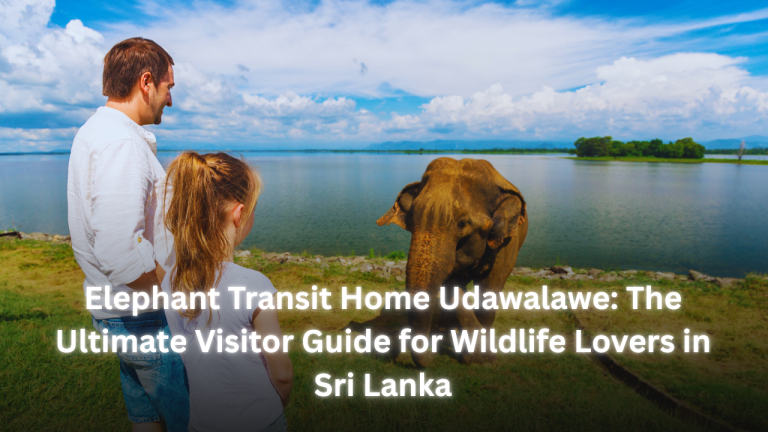
Bundala National Park is a lesser-known wildlife destination in Sri Lanka that provides visitors with an opportunity for some real relaxation and reconnecting with nature; it features an abundance of birds, lagoons, elephants, flamingos, and pristine wilderness.

To enjoy the park during its peak period, it is imperative to understand the best time to visit Bundala National Park. We have provided this guide to help international travellers—especially those travelling from the USA—find out when they should go to the park, what to anticipate, and how they can create an unforgettable nature-filled experience.
What Is Bundala National Park Known For?
Bundala National Park is famous for its incredible biodiversity and peaceful natural landscapes. It is Sri Lanka’s first Ramsar Wetland Site, known especially for:


- 🦩 Large flocks of migratory flamingos
- 🐦 More than 200 bird species, making it a top bird-watching destination
- 🐘 Elephants, crocodiles, and other wildlife
- 🌿 Salt pans, lagoons, and scrub forests offering stunning scenery
- 🌊 Quiet, less-crowded safaris compared to Yala
It’s the perfect destination for travelers seeking nature, photography, and a wildlife experience away from the crowds.
Best Time to Visit Bundala National Park

The best time to visit Bundala National Park is from October to March when the weather is dry, wildlife is active, and thousands of migratory birds arrive.
🌤️ Why This Is the Best Time
- Perfect for Bird Watching: Large flocks of flamingos and other migratory birds visit during this season.
- Better Safari Conditions: Dry weather means animals gather near lagoons, making sightings easier.
- Comfortable Climate: Clear skies and low rainfall create ideal conditions for exploring.
🕒 Additional Tips
- Morning safaris (6 AM–9 AM) offer the best light and most animal activity.
- Evening safaris (3 PM–6 PM) are great for photography and cooler weather.
📌 Avoid May–September due to heavy monsoon rains and reduced visibility.
Wildlife You Can See During Different Seasons

Bundala National Park offers unique wildlife experiences throughout the year. Here’s what you can expect in each season:
🌤️ October – March (Peak Season – Best Wildlife Viewing)
- Flamingos in thousands (main highlight)
- Migratory birds like pelicans, herons, ibis, painted storks
- Saltwater crocodiles near lagoons
- Elephants occasionally seen around water sources
- Monkeys, including toque macaques and grey langurs
☀️ April – June (Dry & Hot Season)
- Fewer migratory birds
- Easier to spot crocodiles, monitor lizards, and wild boars
- Good sightings of resident birds such as:
- White-bellied sea eagle
- Greater flamingo (small numbers)
- Red-vented bulbul
🌧️ July – September (Monsoon Season)
- Reduced sightings due to rainfall
- Park becomes lush and green
- Possible sightings of:
- Resident bird species
- Crocodiles in lagoons
- Turtles near coastal areas (rare but possible)
Best Time of Day to Visit Bundala National Park
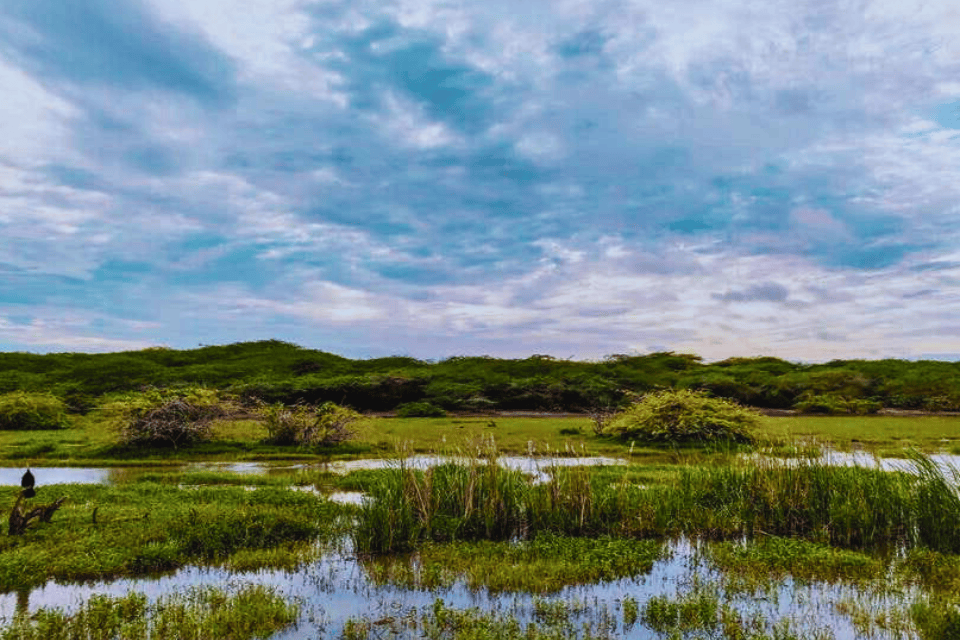
The best time of day to explore Bundala National Park is early morning or late afternoon, when wildlife is most active and the temperatures are cooler.
🌄 Early Morning (6:00 AM – 9:00 AM) – Best Time
- Birds are highly active, especially flamingos and migratory species
- Ideal light for photography—soft, golden sunrise glow
- Animals come out to feed before the heat rises
- Cooler climate makes the safari more comfortable
🌤️ Late Afternoon (3:00 PM – 6:00 PM)
- Another great time for sightings
- Crocodiles, reptiles, and some mammals come near water sources
- Sunset views over the lagoons are stunning
- Good for photography with warm evening tones
🔥 Midday (10:00 AM – 2:00 PM) – Avoid If Possible
- Very hot and dry, uncomfortable for safaris
- Animals tend to hide in shade → fewer sightings
- Harsh lighting reduces photo quality
Photography Tips Based on the Season
Capturing Bundala National Park’s wildlife and landscapes becomes even better when you plan your photography based on the season. Each period offers unique lighting, colors, and wildlife activity levels.


🌞 Dry Season (September – April)
Best for: Flamingos, migratory birds, clear landscapes
- Use a telephoto lens (200–400mm) to capture distant bird flocks.
- Golden Hour Shots: Dry season has clearer skies—perfect for sunrise/sunset bird silhouettes.
- Lower ISO (100–400) because there’s plenty of sunlight.
- Focus on the lagoons—largest bird gatherings happen here.
🌧️ Wet Season (May – August)
Best for: Green landscapes, reptiles, dramatic skies
- Cloudy skies soften light, great for even exposure without harsh shadows.
- Increase ISO slightly (400–800) to compensate for lower light.
- Capture macro shots of plants, insects, and wetland details—everything looks fresher.
- Rain can create mirror-like reflections in puddles and lagoons—use this for creative compositions.
🌤️ Transitional Months (April–May & August–September)
Best for: Mixed wildlife activity + dynamic lighting
- Expect changing skies—great for dramatic landscape photography.
- Use polarizing filters to enhance sky contrast and reduce water glare.
- Birds may move in smaller groups—focus on close-up behavior shots.
📸 General Tips for All Seasons
- Bring a fast shutter speed (1/1000s or above) for flying birds.
- Use burst mode for action shots like takeoffs and feeding.
- Keep your gear protected—dust in the dry season and moisture in the wet season.
How to Reach Bundala National Park

Reaching Bundala National Park is easy, whether you’re coming from Colombo, Galle, or nearby towns. Here’s a simple guide for travelers:
🚗 By Private Car or Taxi (Most Convenient)
- The fastest and easiest way.
- Colombo → Bundala: ~5 hours (via Southern Expressway + Matara–Hambantota Road).
- Galle → Bundala: ~2 hours.
- Ella → Bundala: ~2.5 hours.
- Ideal for early-morning safaris.
🚌 By Bus (Budget-Friendly)
- Take any bus heading to Hambantota.
- From Hambantota town, take a local bus or tuk-tuk to Bundala Junction.
- Closest major bus route: A2 Highway (Galle–Hambantota Road).
Travel time:
- Colombo → Hambantota: ~6–7 hours
- Galle → Hambantota: ~3 hours
🚉 By Train
- There is no direct train to Bundala.
- Best option: travel by train to Matara, then take a bus/taxi to Hambantota → Bundala.
- Suitable for budget travelers who prefer scenic travel.
🛺 By Tuk-Tuk (Short Trips Only)
Perfect for travelers staying in:
- Hambantota
- Tissamaharama (Tissa)
- Kirinda
Travel time: 20–40 minutes depending on your hotel location.
✨ Travel Tip
Plan to arrive at 6:00 AM for the best wildlife sightings and cooler temperatures.
Where to Stay Near Bundala National Park

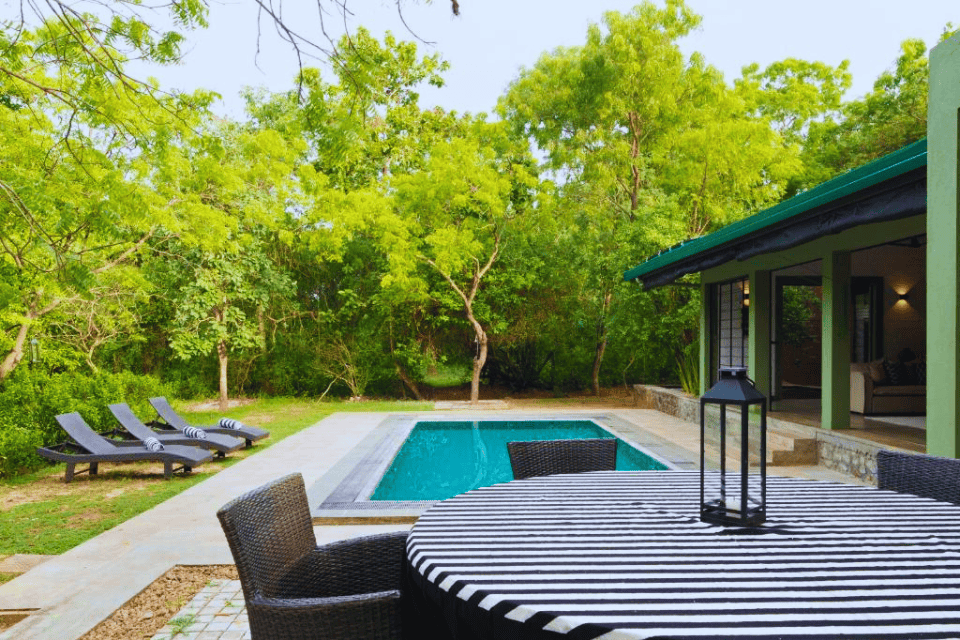
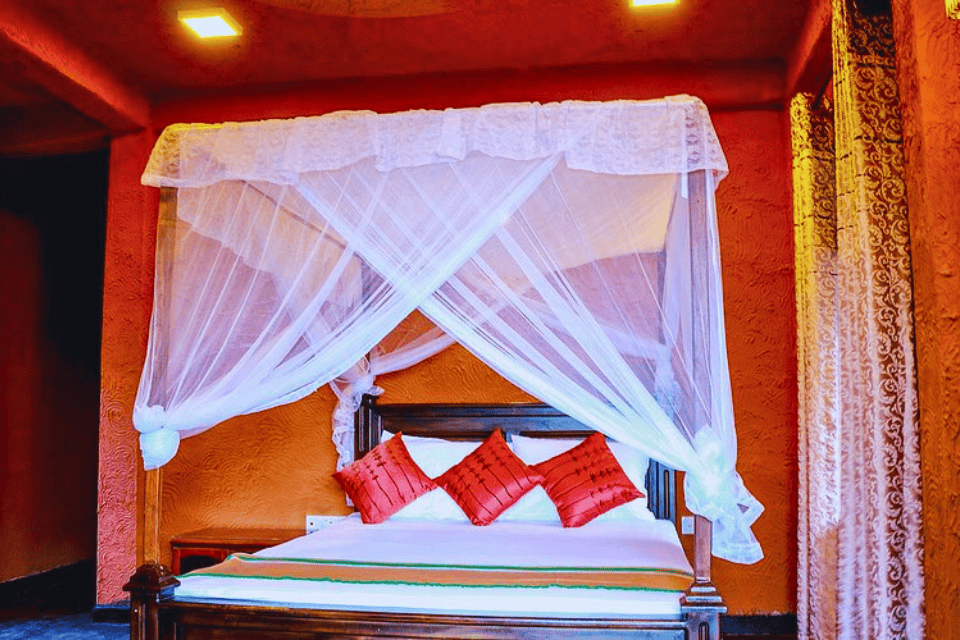
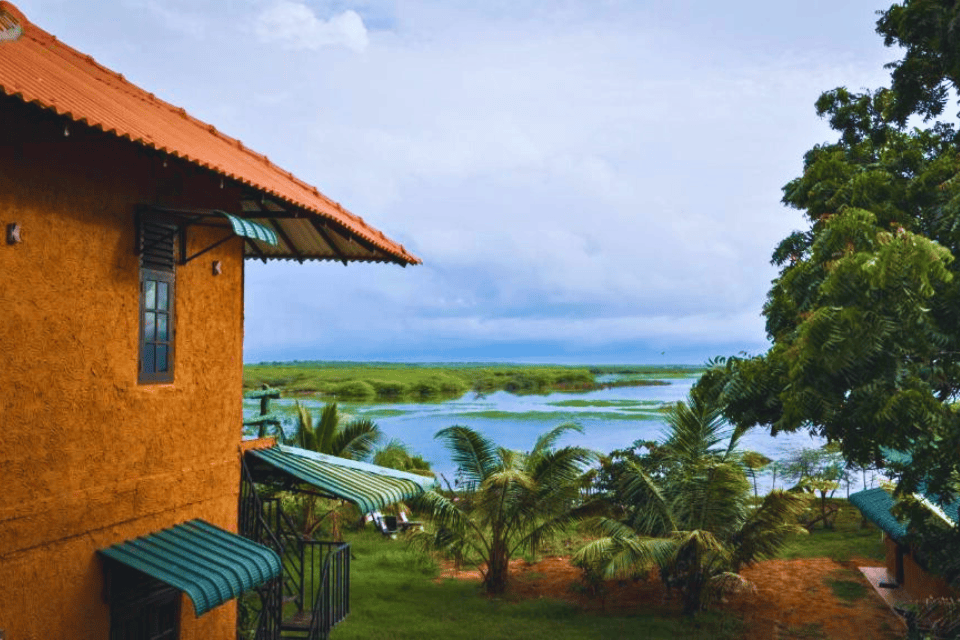
Eco‑Lodges & Budget-Friendly Guesthouses
- Serene Guest House Hambantota — A simple, clean guesthouse in Hambantota town. Good for budget travelers who want easy access to Bundala.
- Wijaya Beach Hotel & Spa — Budget‑to‑mid‑range option; comfortable, beach‑close, and convenient as a base for safari + coast.
Mid‑Range Hotels & Boutique Stays
- Citrus Waskaduwa — A mid‑range hotel (though a bit farther; more suitable if you combine Bundala with other Sri Lankan coast‑side stops).
- Parrot Rock by Jetwing — Boutique‑style stay suitable for travelers who want comfort, coastal access and don’t mind moderate travel to reach Bundala.
Closer Options near Tissamaharama / Hambantota (for Safari‑Focused Trip)
- Tissa Inn Guesthouse — Good low‑cost option if you plan to visit Bundala and other national parks nearby.
- Hambantota Beach Resort — Simple resort‑style stay, convenient for getting to Bundala early in the morning.
✅ How to Choose Based on Your Needs
| If you want… | Stay at… |
|---|---|
| Budget stay + convenience | Serene Guest House Hambantota or Tissa Inn Guesthouse |
| Mid-range comfort + coastal vibes | Wijaya Beach Hotel & Spa, Citrus Waskaduwa, Parrot Rock |
| Easy early-morning access to Bundala + beach | Hambantota Beach Resort or Wijaya Beach Hotel & Spa |
Practical Tips for Visiting Bundala National Park
To make your visit to Bundala National Park safe, comfortable, and memorable, here are some practical tips:

Best Time & Season
- Visit between October and March for optimal bird sightings and dry weather.
- Early morning or late afternoon safaris offer better wildlife activity and photography opportunities.
What to Pack
- Light, breathable clothing and a hat for sun protection.
- Sunscreen and sunglasses to avoid sunburn.
- Binoculars and camera with zoom lens for birdwatching.
- Water and snacks for long safaris.
Safari & Safety Tips
- Always stay inside the vehicle during safaris.
- Do not feed or disturb wildlife.
- Respect the park rules and signs.
- Keep a safe distance from elephants and crocodiles.
Transportation Tips
- Rent a jeep or book a guided safari for the best experience.
- Taxis or tuk-tuks are ideal for short distances from nearby towns like Hambantota or Tissamaharama.
Accommodation Tips
- Book stays in advance during peak season (December–March).
- Choose lodges close to Bundala for early safari departures.
Photography & Nature Etiquette
- Use quiet movements to avoid disturbing birds.
- Carry reusable water bottles and avoid littering.
- Respect local customs if visiting nearby villages.
Conclusion & Call-to-Action
Bundala National Park is a must-visit destination for wildlife enthusiasts and bird watchers, offering breathtaking lagoons, flamingos, migratory birds, elephants, and unique Sri Lankan biodiversity. Visiting during the best time—October to March ensures ideal weather and the highest chance of spotting wildlife. Early morning or late afternoon safaris enhance your experience and provide perfect lighting for photography.

Whether you’re traveling solo, with family, or as a couple, Bundala promises a memorable nature adventure.
Call-to-Action:
Plan your Bundala National Park safari today! Book your accommodation, join guided tours, and experience the magic of Sri Lanka’s incredible wildlife and serene landscapes.
Read more about Elephant Transit Home Udawalawe , Ella Sri Lanka to Yala National Park in our other travel articles.