
The Udawalawe Elephant Transit Home is one of the warmest and most ethically advanced animal-based experiences in Sri Lanka, appealing mainly to visitors from the USA and beyond. It sits adjacent to the renowned Udawalawa NP (National Park), which helps provide a buffer for the elephants. The main focus of this organization is on the care, rehabilitation and eventual release of orphaned baby elephants.
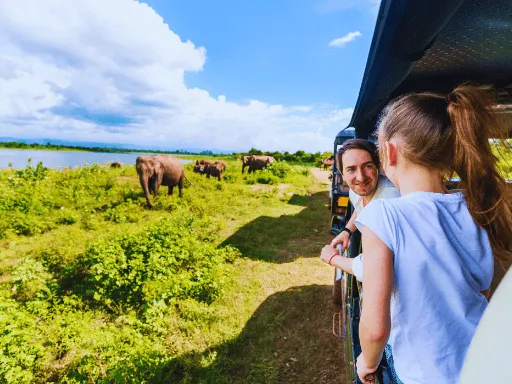
In contrast to many elephant sanctuaries, the Elephant Transit Homr concentrates solely on conservation efforts and allows visitors the opportunity to participate in the wonderful experiences associated with the feeding of baby elephants without the interference with or disruption of their natural behaviour.
What Is the Elephant Transit Home Udawalawe?
The Elephant Transit Home Udawalawe (ETH) is a government-run wildlife rehabilitation center dedicated to rescuing and caring for orphaned or injured baby elephants across Sri Lanka. Managed by the Department of Wildlife Conservation, its mission is simple yet powerful — to heal, protect, and ultimately return these young elephants to their natural home in the wild.
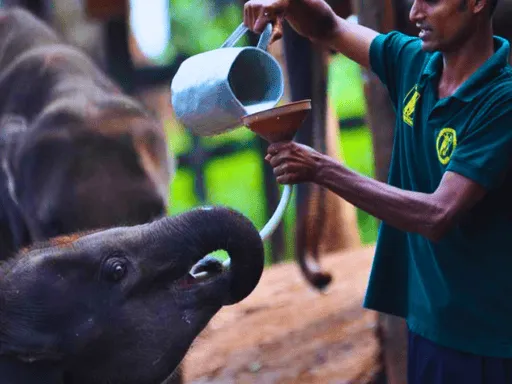
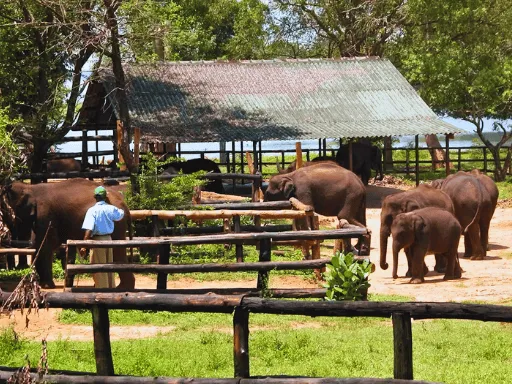
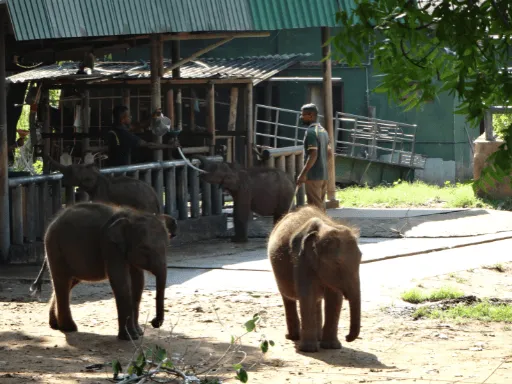
Established in 1995 near the boundary of Udawalawe National Park, the center offers a safe environment where elephant calves receive proper medical treatment, nutrition, and gradual training to survive independently. Unlike commercial sanctuaries, the Elephant Transit Home avoids direct human interaction to ensure the elephants do not become dependent on people.
For visitors, ETH provides a rare chance to witness conservation in action while observing the calves from a safe viewing area during their scheduled milk-feeding sessions. It’s one of the most responsible and heartwarming wildlife experiences in Sri Lanka — and a must-visit for anyone passionate about animal welfare and ethical tourism.
Location, Opening Hours & Ticket Prices
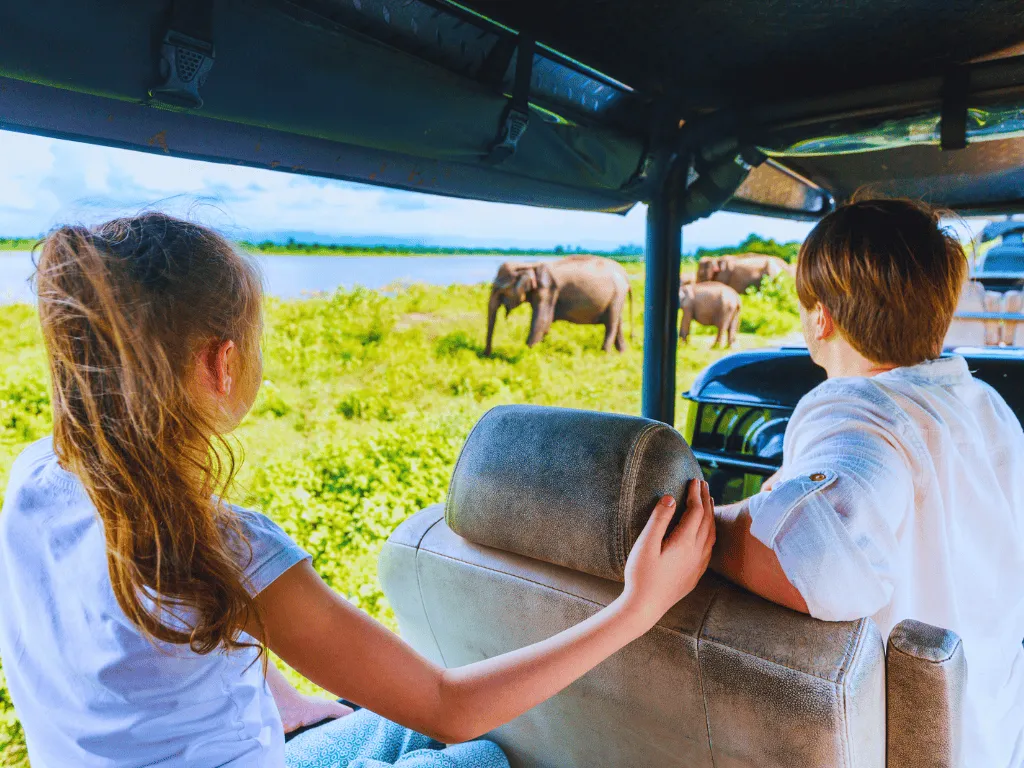
Visiting the Elephant Transit Home Udawalawe is easy and budget-friendly. Here’s everything you need to know about getting there, when to visit, and the updated 2025 ticket prices.
📍 Location
- Address: Elephant Transit Home, Udawalawe, Uva Province, Sri Lanka
- Nearby: Udawalawe National Park (approx. 4 km from the park entrance)
- Coordinates: 6.4415° N, 80.7928° E
🕒 Opening Hours
- Daily: 8:30 AM – 5:30 PM
- Feeding Times:
- Morning: 10:30 AM
- Afternoon: 2:30 PM
- Evening: 6:00 PM (optional, check schedule)
Tip: Arrive 15–20 minutes early to secure the best viewing spot.
💵 Ticket Prices (2025 Update)
Foreign Visitors
| Visitors | Ticket Price |
|---|---|
| Adults | USD 42.5 |
| Children (6–12 years) | USD 18 |
| Children under 6 years | FREE |
Local Visitors (Sri Lankan)
| Visitors | Ticket Price |
|---|---|
| Adults | LKR 1,100 |
| Children (6–12 years) | LKR 100 |
| Children under 6 years | FREE |
Elephant Transit Home Udawalawe Entrance Fees for tourists – Source
Camera / Video Fees
- DSLR or professional cameras: Rs. 200–400
- Phone photography: FREE
Ticket prices directly support elephant conservation, rehabilitation, and care. Prices include taxes and have been adjusted for inflation by the Department of Wildlife Conservation in 2025.
Best Time to Visit Elephant Transit Home Udawalawe
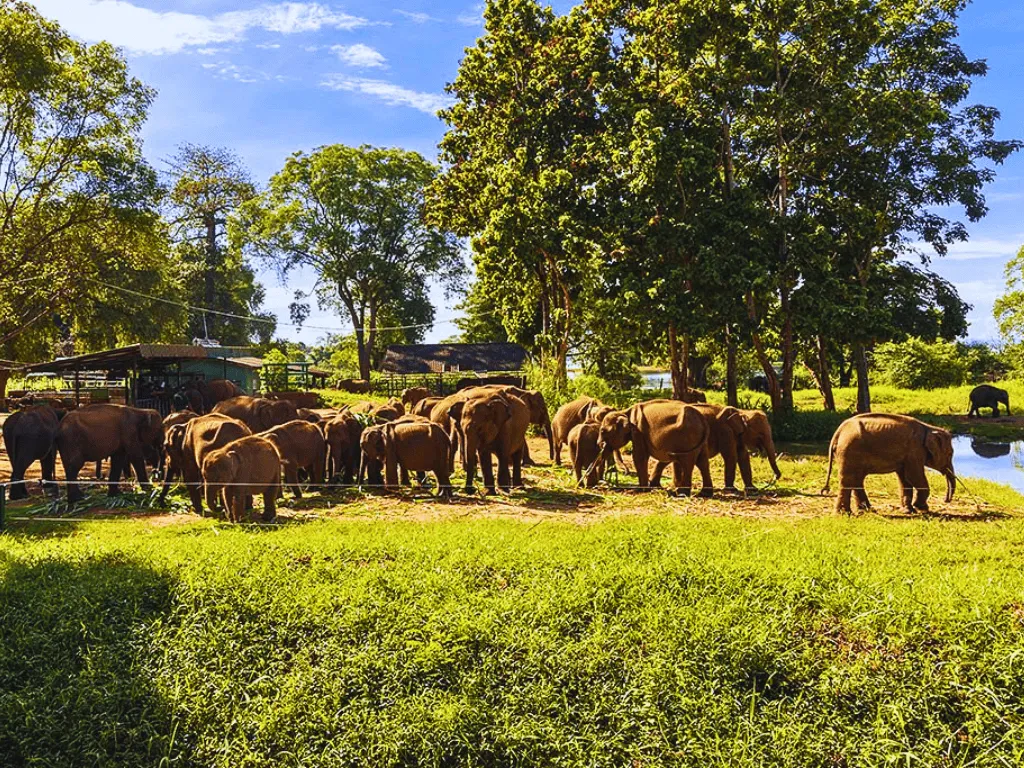
Choosing the right time to visit the Elephant Transit Home Udawalawe can make your experience even more memorable. Since the center follows a strict feeding schedule and Sri Lanka’s weather can vary, understanding the seasons will help you plan the perfect visit.
November to April – The Best Season (Dry & Pleasant)
This is the peak season for visiting Udawalawe and one of the best times to enjoy the feeding sessions comfortably.
Why This Season Is Ideal:
- Clear skies and warm weather
- Better visibility for photography
- Smooth travel conditions
- Perfect combination with a morning safari
Tourists from the USA and Europe often prefer this time because the weather is predictable and ideal for outdoor activities.
May to October – Lush & Less Crowded (Green Season)
The Green Season brings occasional showers but also fewer crowds, making it perfect for travelers who enjoy peaceful wildlife experiences.
Benefits of Visiting During These Months:
- Beautiful greenery around Udawalawe
- Fewer visitors → better viewpoints
- Cooler mornings and evenings
Even during light rains, feeding sessions take place on time, so your experience won’t be affected.
Best Time of Day to Visit
Regardless of the month, the best time to see the elephants is during the scheduled feeding sessions:
- 9:00 AM
- 12:00 PM
- 3:00 PM
- 6:00 PM
Among these, the 9 AM and 3 PM feedings are the most photogenic due to soft natural light.
🌤 Quick Recommendation for Travelers
If you want the perfect combination of weather, photography, and safari experiences, visit between December and March, during the 9 AM or 3 PM feeding session.
What to Expect During Your Visit
Visiting the Elephant Transit Home Udawalawe is a unique experience that combines wildlife observation with education and ethical tourism. Knowing what to expect will help you make the most of your trip and enjoy every moment.
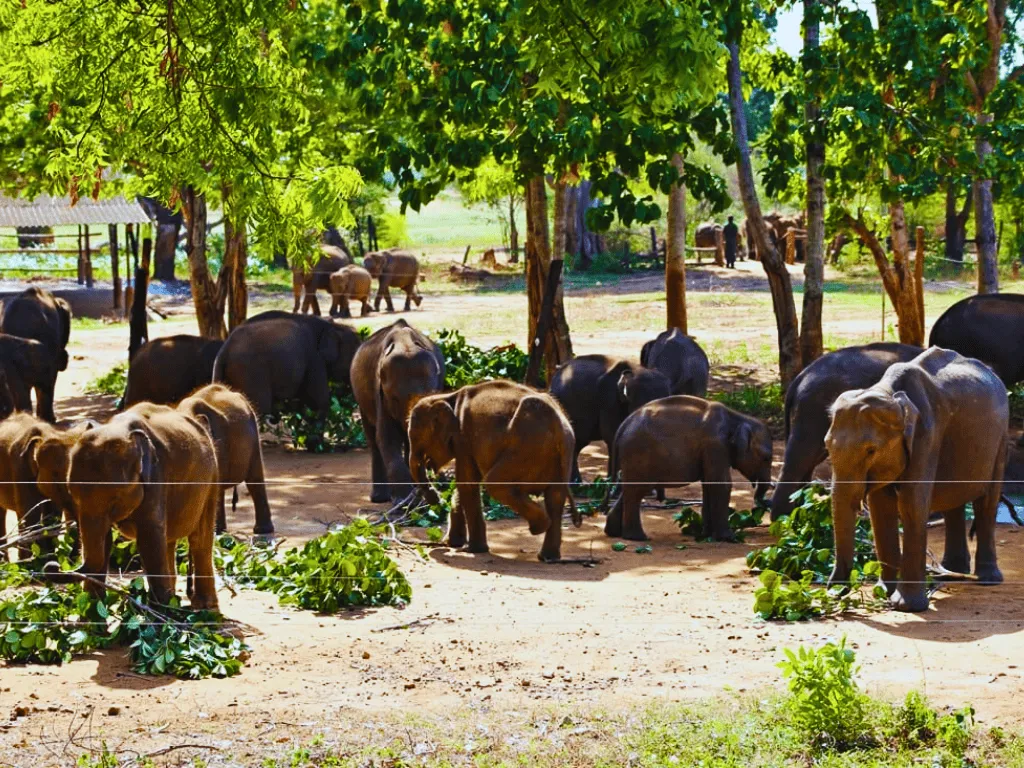
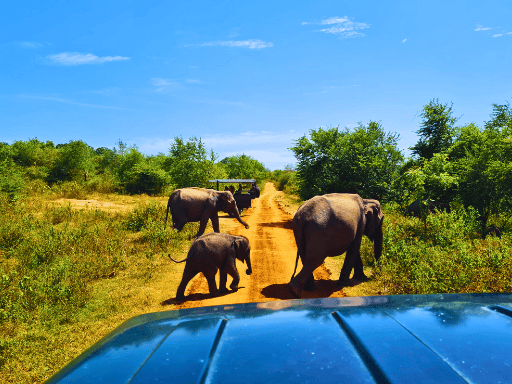
Viewing Area Setup
The center is designed to keep visitors safe while providing excellent views of the elephants.
- Elevated observation decks offer unobstructed views of the feeding area.
- Visitors are not allowed to touch or feed the elephants, ensuring a natural and stress-free environment for the calves.
- Perfect for photography and filming without disturbing the animals.
Elephant Feeding Sessions
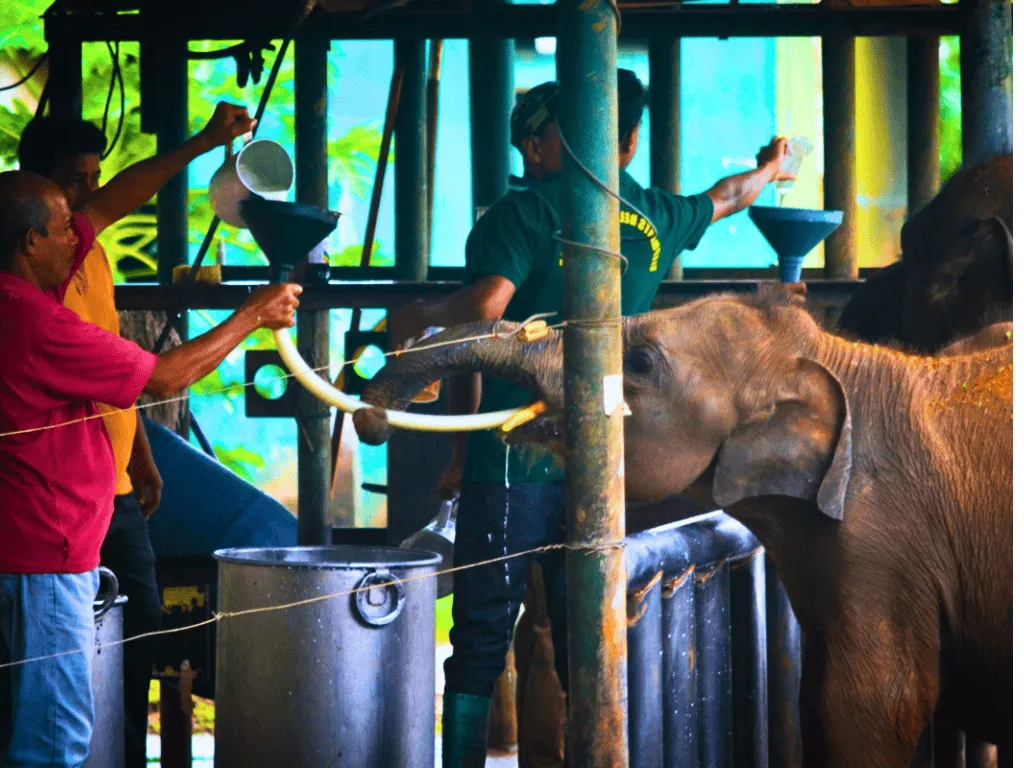
The highlight of any visit is the milk-feeding session, where baby elephants are brought to the feeding area.
- Each calf drinks 5–10 liters of milk under staff supervision.
- The elephants run playfully to the feeding area, creating an unforgettable sight.
- Feeding sessions are short (around 15 minutes) but full of action and photo opportunities.
Educational Experience
The Elephant Transit Home is not just about watching elephants; it’s also an educational experience.
- Informational boards explain conservation efforts, rehabilitation process, and Sri Lankan elephant behavior.
- Staff are knowledgeable and often answer visitor questions, making it ideal for families and wildlife enthusiasts.
- Learn how orphaned calves are gradually released into Udawalawe National Park.
Photography Tips
- Bring a zoom lens to capture close-ups without disturbing the animals.
- Use soft natural light during early morning or late afternoon feedings.
- Avoid using flash, as it may stress the elephants.
Tip: Arrive 15–20 minutes early to secure the best spot on the viewing deck and watch the calves’ playful interactions before the feeding starts.
Top Things to Do Near Elephant Transit Home Udawalawe
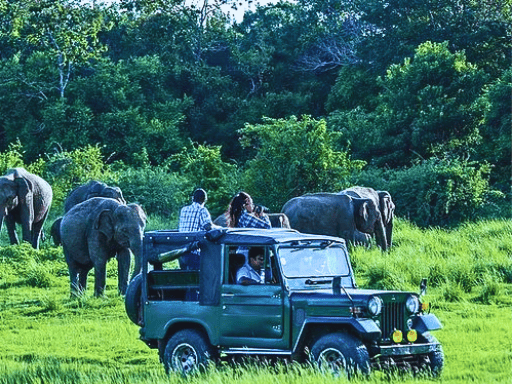
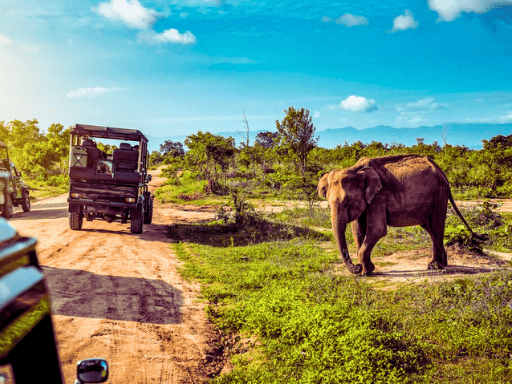
A visit to the Elephant Transit Home Udawalawe pairs perfectly with nearby attractions, making it easy to plan a full-day wildlife and cultural experience. From safaris to scenic spots, there’s plenty to explore around Udawalawe.
Udawalawe National Park Safari
Just minutes from the transit home, Udawalawe National Park is a must-visit for wildlife enthusiasts.
- Wild elephants: Home to over 600 wild elephants roaming freely.
- Other wildlife: Water buffalo, leopards, spotted deer, and exotic birds.
- Safari details: 2–3 hour jeep tours; guided options available.
- Price: $25–35 per person (plus park fees).
Tip: Early morning safaris are best for wildlife spotting and photography.
Udawalawe Reservoir
A short drive from ETH, the Udawalawe Reservoir offers stunning views and a peaceful environment.
- Ideal for sunset photography.
- Perfect spot for birdwatching, especially waterfowl.
- Bring a binoculars for a closer look at wildlife along the water.
Elephant Orphanage Museum
Learn about Sri Lanka’s elephant conservation efforts at the ETH museum.
- Displays on the history of elephant rescue programs.
- Educational videos about the rehabilitation process.
- Great for travelers who want a deeper understanding of conservation work.
Explore Local Villages
Experience the culture and lifestyle of nearby villages.
- Local delicacies: Try buffalo curd, coconut-based treats, and traditional snacks.
- Handicrafts: Shop for souvenirs made by local artisans.
- Village walks: A peaceful way to see rural Sri Lanka.
Combine It With Safari & ETH Visit
For a full-day itinerary:
- 6:00 AM – 9:00 AM: Morning safari at Udawalawe National Park
- 9:00 AM: Elephant Transit Home morning feeding session
- 12:00 PM: Explore museum and have lunch at a local restaurant
- 3:00 PM: Short village walk and reservoir visit
- 5:00 PM: Enjoy sunset views at Udawalawe Reservoir
This combination makes your visit memorable, educational, and fun for wildlife lovers, families, and solo travelers alike.
1-Day Itinerary for Udawalawe (Sample Plan)
Planning a 1-day visit to Udawalawe allows you to experience the best of the Elephant Transit Home Udawalawe, nearby safaris, and scenic spots without feeling rushed. Here’s a suggested itinerary for travelers from the USA or anywhere in the world:
6:00 AM – 9:00 AM: Morning Safari at Udawalawe National Park
- Start early to spot wild elephants, deer, water buffalo, and exotic birds.
- Early morning light is perfect for photography.
- Hire a jeep safari with a knowledgeable guide to maximize wildlife sightings.
9:00 AM – 10:00 AM: Elephant Transit Home Morning Feeding
- Arrive at ETH to watch adorable baby elephants run to the feeding area.
- Observe staff carefully rehabilitate and feed calves with milk.
- Take photos from the viewing deck — no direct interaction allowed.
10:30 AM – 12:00 PM: Explore ETH Museum
- Learn about Sri Lanka’s elephant conservation efforts.
- Watch educational videos and understand the calves’ rewilding process.
12:00 PM – 1:00 PM: Lunch at a Local Restaurant
- Try buffalo curd, coconut-based treats, or traditional Sri Lankan rice and curry.
- Enjoy a relaxed break before afternoon activities.
1:30 PM – 3:00 PM: Udawalawe Reservoir Visit
- Take a peaceful walk along the reservoir shoreline.
- Great opportunity for birdwatching and photography.
- Capture a Sri Lankan sunset if timing allows.
3:00 PM – 5:00 PM: Visit Nearby Villages or Local Markets
- Walk through rural villages, meet locals, and see daily life.
- Buy handicrafts and souvenirs directly from artisans.
- Optional short drive back to ETH for the afternoon feeding session at 3 PM if you want more elephant interaction from a distance.
🌟 Tips for a Smooth 1-Day Itinerary
- Wear comfortable clothes and shoes suitable for safari and walking.
- Bring water, sunscreen, and insect repellent.
- Start early to avoid crowds at the Elephant Transit Home.
- Carry a camera with zoom lens for elephants and wildlife.
This itinerary ensures you experience the best of Udawalawe in a single day, combining wildlife, education, and local culture.
Accommodation Guide in Udawalawe
When you’re planning a trip to Elephant Transit Home Udawalawe, choosing the right place to stay can make your experience even more memorable. Udawalawe offers a range of accommodations — from budget lodges to luxury safari-style resorts — so you can pick what fits your style and travel budget.
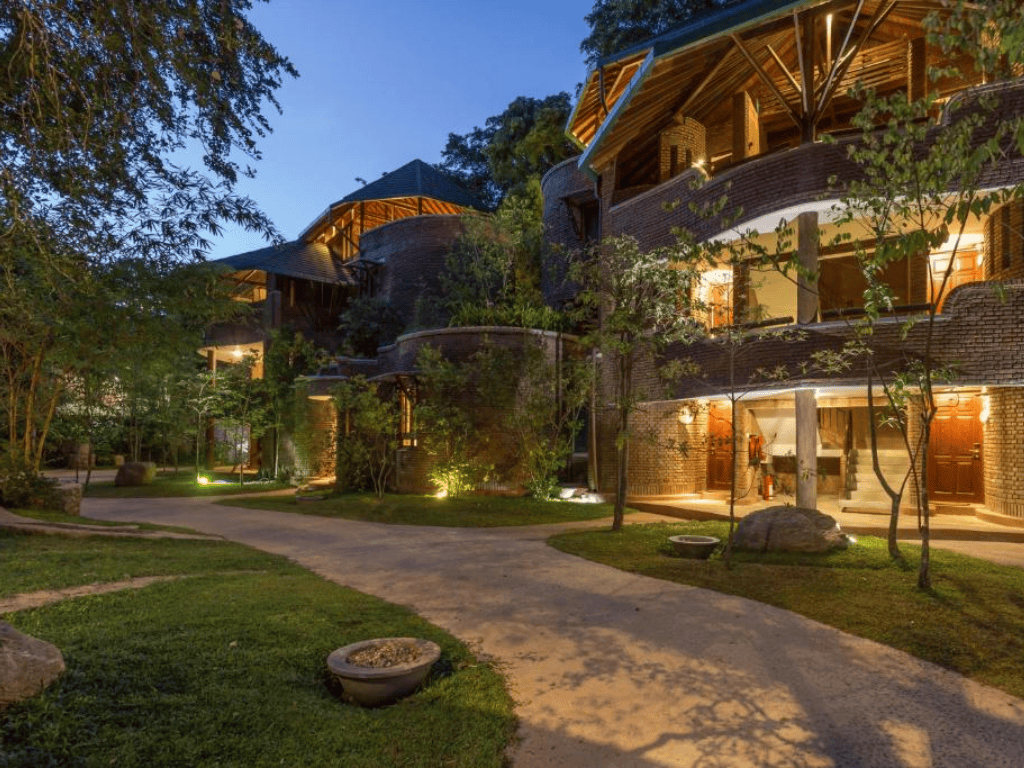
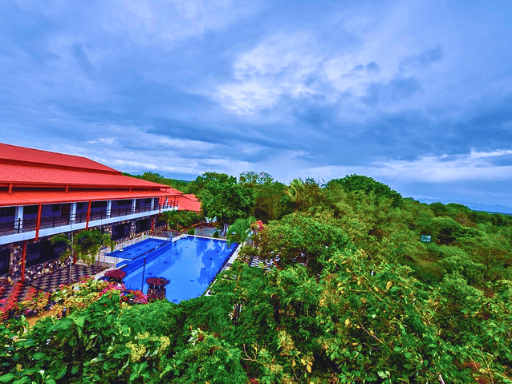
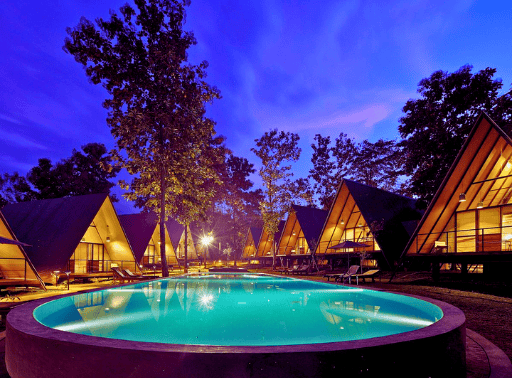
Budget Options (Under ~US$30–60/night)
- Sunrise Udawalawe Resort — Very affordable, with a garden, pool, and quiet atmosphere.
- Olivi Palace — Simple, clean rooms, dining options, and basic amenities.
- The Countryside Udawalawe — Budget guesthouse with a pool and a relaxing garden.
- Wild Safari Nest — A peaceful, nature-filled stay, perfect for travelers who want proximity to the park.
- Udawalawa Eco Lodge — Eco‑lodge feel, good for budget travelers who care about sustainability.
Mid‑Range Options (Approx. US$60–120)
- Kottawatta River Bank Resort — Charming riverside resort, good amenities, and nature views.
- Kalu’s Hideaway — Attractive mid‑range hotel with a pool, good food, and easy access to safari and ETH.
- Centauria Wild — A modern resort, great for families or couples, with elegant rooms and a tranquil vibe.
Luxury & Unique Stays
- Grand Udawalawe Safari Resort — A higher-end safari resort with strong service, luxury touches, and very close to the National Park.
- Athgira River Camping — For a more adventurous stay — luxury tents by the river, sounds of nature, campfires, and a very “close to wild” feeling.
Tips for Choosing Accommodation
- Proximity to Elephant Transit Home / National Park
- If you want minimal travel, pick hotels like Grand Safari Resort or Kalu’s Hideaway.
- For a more peaceful, rural feel, riverside lodges or eco‑lodges are great.
- Travel Style Considerations
- Families or couples may prefer mid-range or luxury stays.
- Budget travelers and backpackers might like eco-lodges or guesthouses.
- Booking Advice
- During peak season, book 1–2 months in advance as safari lodges fill up.
- Use platforms like Booking.com or Expedia to compare and find deals.
- Consider a package deal: some resorts offer safari + stay combos.
- Sustainability Matters
- Choose eco-lodges or river camps if you care about low-impact travel.
- Staying locally also supports the community around Udawalawe.
Practical Tips for Visiting Elephant Transit Home Udawalawe
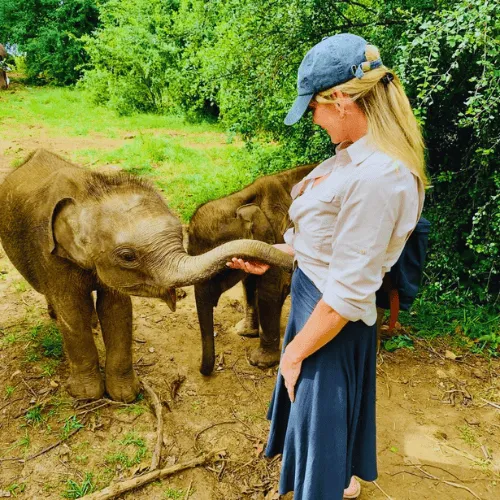
To make your visit to the Elephant Transit Home Udawalawe smooth, safe, and memorable, it’s important to be prepared. From clothing to photography and ethical considerations, these tips will help you enjoy the experience while respecting the animals.
What to Bring
- Camera or smartphone – for capturing feeding sessions and wildlife.
- Binoculars – optional, for spotting distant elephants in the park.
- Water bottle – stay hydrated under the Sri Lankan sun.
- Sunscreen and sunglasses – to protect against strong sunlight.
- Insect repellent – especially during early morning or evening visits.
Dress Code
- Wear comfortable, light clothing suitable for walking.
- Avoid bright or flashy colors, which can disturb the elephants.
- Closed-toe shoes are recommended, especially if you plan to visit nearby trails or parks.
Ethical Visitor Guidelines
- Do not touch or feed the elephants; staff handle all feeding.
- Stay behind the designated viewing areas.
- Keep noise levels low during feeding sessions.
- Avoid using flash photography, which can stress the calves.
- Dispose of trash responsibly to protect the environment and wildlife.
Timing & Crowd Tips
- Arrive 15–20 minutes before feeding sessions for the best viewing spots.
- Early morning or late afternoon feedings are usually less crowded.
- Combine your visit with Udawalawe National Park safari for a full wildlife day.
Photography Tips
- Use a zoom lens to capture close-ups without approaching elephants.
- Soft natural light is best for photos, especially during morning or late afternoon sessions.
- Consider capturing candid moments of the calves interacting, which are highly engaging for social media or blogs.
Pro Tip: Respecting the rules not only ensures a safe experience but also supports the ethical conservation mission of the Elephant Transit Home.
Why You Should Visit Elephant Transit Home Udawalawe

Visiting the Elephant Transit Home Udawalawe is more than just a wildlife experience — it’s an opportunity to witness conservation in action and connect with one of the world’s most majestic creatures in an ethical way.
Support Wildlife Conservation
By visiting ETH, you directly contribute to the care and rehabilitation of orphaned elephants. Entrance fees help fund:
- Medical care for calves
- Milk and nutrition programs
- Gradual rewilding into Udawalawe National Park
Your visit helps ensure that future generations of elephants can thrive in their natural habitat.
Safe & Ethical Wildlife Experience
Unlike commercial elephant camps or riding centers, ETH:
- Prohibits direct human contact with elephants
- Ensures calves maintain their natural wild behaviors
- Provides an educational and stress-free environment for both elephants and visitors
This makes ETH a responsible choice for wildlife lovers and families.
Memorable & Educational
- Watching baby elephants run joyfully to feeding sessions is heartwarming and unforgettable.
- Learn about Sri Lanka’s elephant population, conservation efforts, and the challenges of rewilding.
- Offers perfect photo opportunities for wildlife enthusiasts, bloggers, and travelers.
Suitable for All Travelers
Whether you are:
- A solo traveler
- Visiting with family or kids
- A couple looking for unique wildlife experiences
ETH offers an experience that is educational, entertaining, and ethical, making it a must-visit destination in Sri Lanka.
Pro Tip: Combine your ETH visit with Udawalawe National Park safari and local village exploration for a full-day adventure that’s both fun and meaningful.
CONCLUSION & CALL-TO-ACTION
The Elephant Transit Home Udawalawe is not just a wildlife attraction — it’s a heartwarming and educational experience that brings you close to baby elephants in a safe, ethical, and conservation-focused environment. From watching adorable calves during feeding sessions to learning about Sri Lanka’s ongoing efforts to protect its majestic elephants, a visit here is both memorable and meaningful.
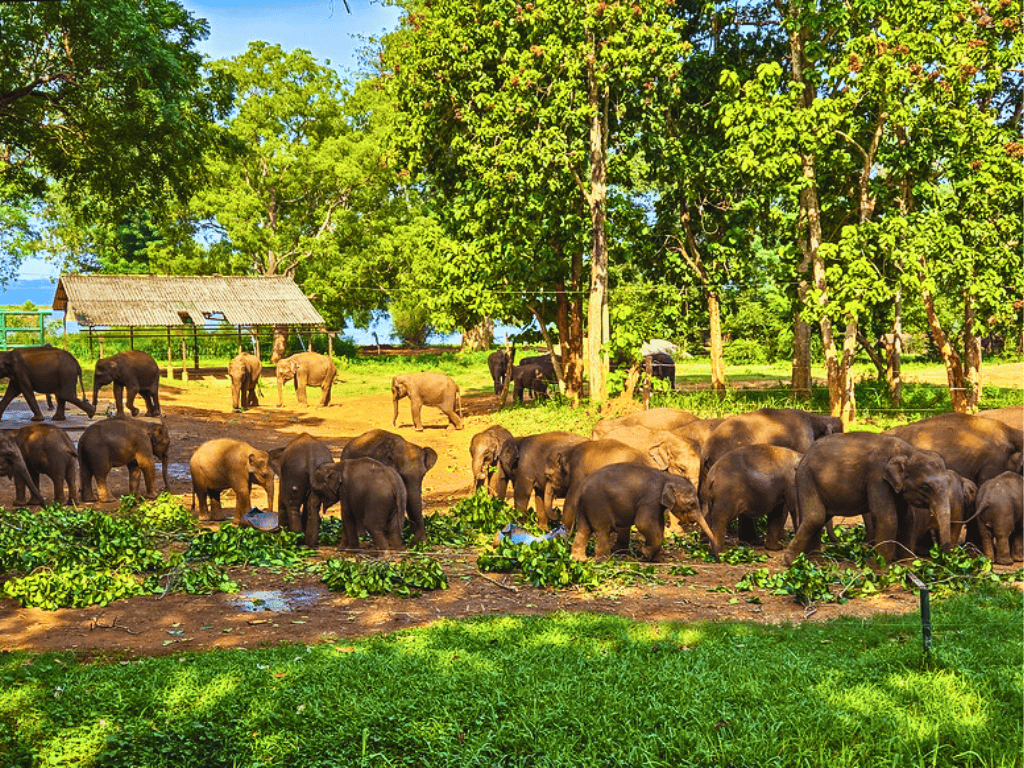
Whether you’re a wildlife enthusiast, a solo traveler, a family, or a couple, ETH offers an experience that combines adventure, education, and ethical tourism. Its proximity to Udawalawe National Park also allows you to plan a full day of wildlife exploration, scenic views, and cultural experiences.
Ready to experience the magic of baby elephants and support wildlife conservation? Plan your visit to the Elephant Transit Home Udawalawe today and make your Sri Lanka trip truly unforgettable.
Read more this article Ella in Sri Lanka, Kalpitiya Sri Lanka Kitesurfing in our other travel articles.