
The Sinharaja Rain Forest, situated in the dense centre of Sri Lanka, is one of the most beautiful and pristine natural treasures on Earth and has been designated as a UNESCO World Heritage Site. The Sinharaja Rain Forest is a green oasis — the only remaining area within the entire country to contain an original (primary) tropical rainforest. It is a picturesque location, with a misty canopy and many streams flowing and provides access to a unique existence that has not changed since ancient times.
It is a living laboratory for nature lovers, photographers, and eco-travelers, home to innumerable endemic plants, birds, and animals. From the call of the Sri Lankan blue magpie to the rustle of leaves beneath your feet, the air here is alive and vibrant. The Sinharaja Rain Forest invites you to feel the pulse of Sri Lanka’s wilderness, whether you’re an adventurer searching for undiscovered paths or a peace-seeker yearning for the embrace of nature.
🎟️ Sinharaja Rain Forest Ticket Price, Entrance Fee & Packages
If you’re planning to explore this magical rainforest, here’s what you should know about ticket prices and tours:
💰 Entrance Fee & Guide Fee
- Foreign Adults: Approximately USD 35
- Foreign Children (Ages 5–12): Approximately USD 20
- Local Adults: Around LKR 644
- Local Children: Around LKR 325
- Guide Fee (Mandatory): Usually included or varies depending on the route
🚗 Day Tour Packages & Transport Costs
- From Colombo: Starts from USD 50 per person (1–8 people)
- From Galle: Starts from USD 40 per person (1–8 people)
- Includes entrance ticket, guide, refreshments, and transport
Vehicle Options:
- Car (1–2 persons): Toyota Axio, Prius Hybrid, or similar
- Van (3–8 persons): Toyota KDH, Nissan Caravan, or similar
🧾 Additional Notes
- Payment: Some entrances accept cards, but it’s best to carry cash in LKR.
- Preparation: Wear comfortable trekking clothes, bring insect repellent and water.
- Respect Nature: Avoid littering and stay on marked paths.
- Reminder: Ticket prices and timings may vary — confirm before your visit.
Sinharaja Rain Forest Entrance Fees for tourists – Source
Where Is Sinharaja Rain Forest Located?
The Sinharaja Rain Forest is located in the southwestern part of Sri Lanka, stretching across the Sabaragamuwa and Southern Provinces. It covers parts of three main districts — Galle, Matara, and Ratnapura — and spans an area of about 21 kilometers in length and 7 kilometers in width.
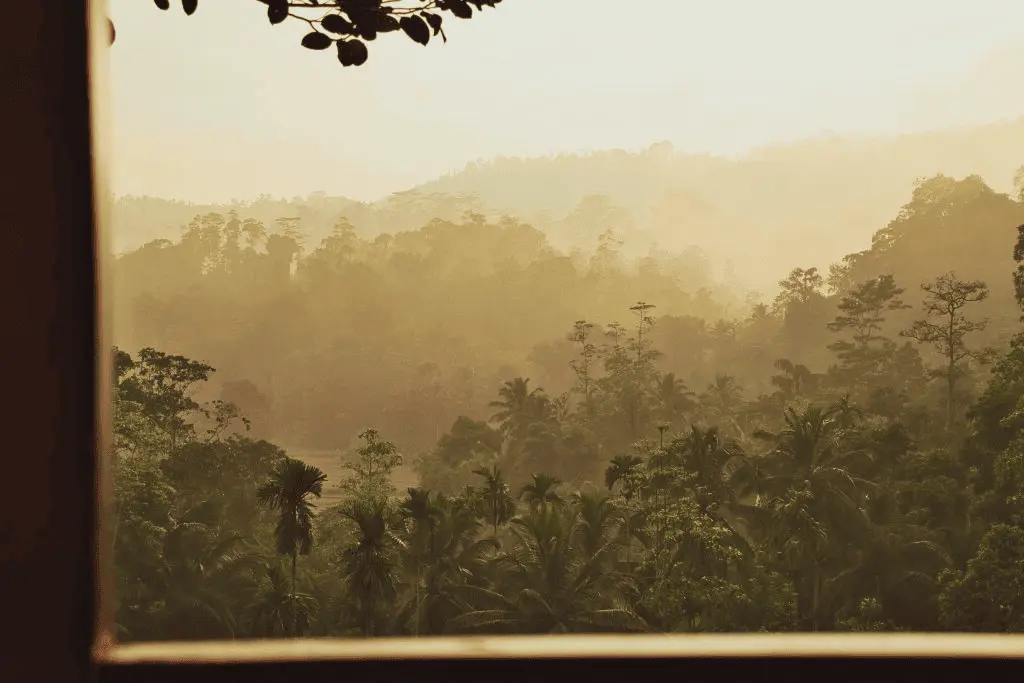
The forest is easily accessible from major cities. If you’re traveling from Colombo, it’s around a 4–5 hour drive (about 170 km) via the towns of Deniyaya or Weddagala, which serve as the main entry points. Visitors often enter through the Kudawa Conservation Centre or the Pitadeniya entrance, depending on their route and preferred trekking area.
Surrounded by small villages and lush tea plantations, the journey to Sinharaja itself is a scenic adventure. As you approach, the air turns cooler, the sounds of the jungle grow louder, and the dense canopy welcomes you into Sri Lanka’s last great rainforest sanctuary.
Why Visit the Sinharaja Rain Forest?
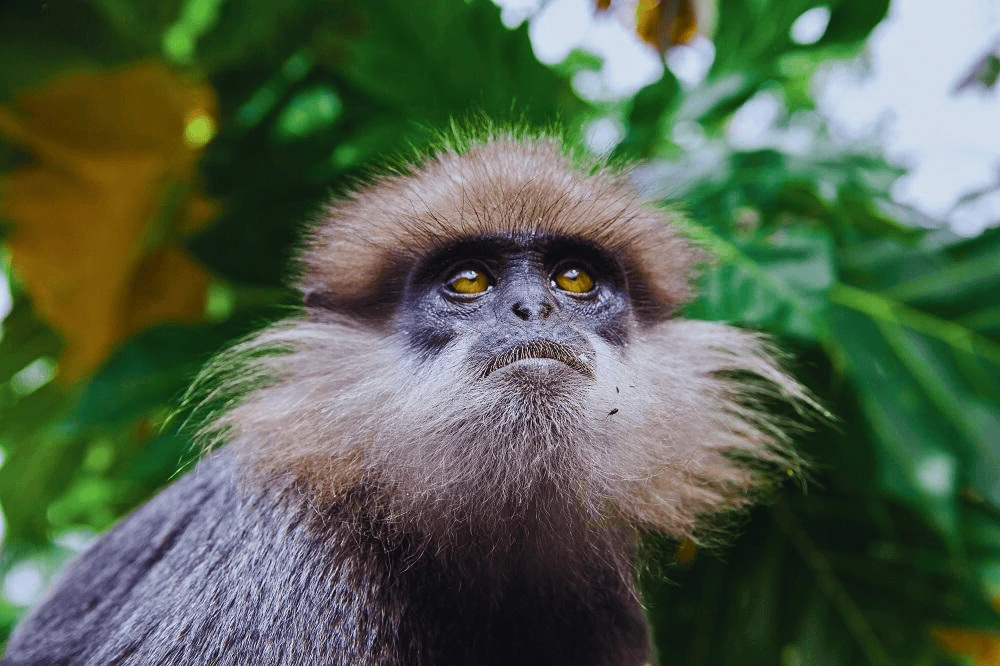


The Sinharaja Rain Forest isn’t just a destination — it’s an experience that awakens your senses and connects you with nature in its purest form. Here’s why this breathtaking rainforest deserves a place on every traveler’s bucket list:
🌿 A Treasure of Biodiversity
Sinharaja is home to over 60% of Sri Lanka’s endemic tree species and nearly half of its endemic animals and birds. From colorful butterflies and rare reptiles to the Sri Lankan blue magpie and purple-faced leaf monkey, every corner reveals a new wonder of life.
🦋 A UNESCO World Heritage Site
Recognized by UNESCO for its exceptional ecological value, Sinharaja stands as a vital refuge for species found nowhere else on Earth. Walking through its ancient forest is like stepping into a living museum of evolution and natural beauty.
🚶 Perfect for Eco-Adventurers
With winding trails, cool streams, and hidden waterfalls, Sinharaja offers a paradise for hikers, bird watchers, and photographers. Guided walks allow visitors to safely explore while learning about the forest’s delicate ecosystem.
🌱 A Place of Peace and Renewal
Beyond its scientific and ecological importance, Sinharaja offers something deeply personal — a sense of peace. The sound of rain dripping from the canopy, the smell of wet earth, and the chorus of jungle life create a magical escape from the noise of the modern world.
Best Things to Do in Sinharaja Rain Forest
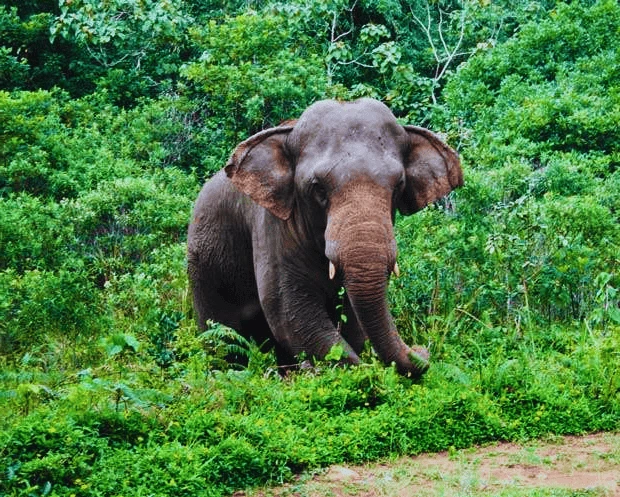

The Sinharaja Rain Forest is a haven for nature lovers and adventure seekers alike. Every path, sound, and view offers something unique — from rare wildlife encounters to peaceful moments surrounded by lush greenery. Here are the top things to do during your visit:
🚶 1. Trek Through the Jungle Trails
Explore the heart of Sinharaja on foot with a guided nature trek. The trails vary from easy walks to more challenging routes that lead to scenic viewpoints and waterfalls. Along the way, you’ll encounter exotic plants, colorful fungi, and perhaps a glimpse of monkeys swinging overhead. Always go with a licensed local guide for safety and deeper insight into the forest’s ecology.
🦋 2. Go Bird Watching
Sinharaja is a bird-watcher’s paradise, home to over 150 species, including many endemics like the Sri Lanka Blue Magpie, Red-Faced Malkoha, and Sri Lanka Junglefowl. The early morning hours are the best time to observe these vibrant creatures, so bring your binoculars and camera ready.
💦 3. Visit Hidden Waterfalls
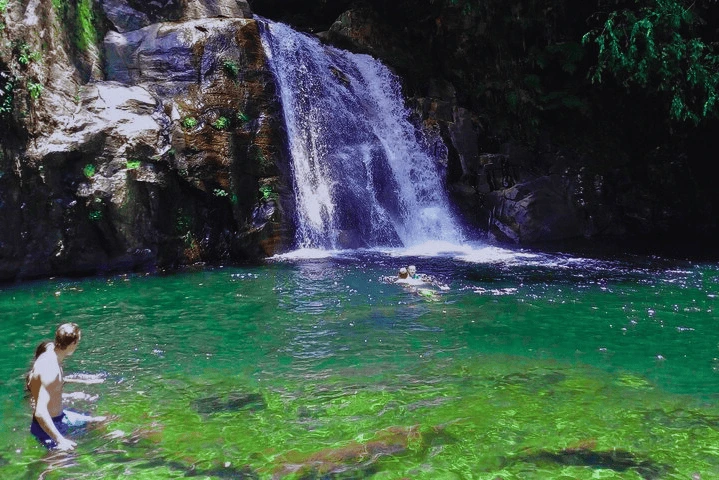
Scattered throughout the rainforest are beautiful waterfalls and streams that make perfect rest stops after a hike. The Neluwa Duwili Ella and Mulawella Falls are among the most enchanting, offering refreshing dips in natural pools surrounded by the sounds of the jungle.
🌺 4. Learn About Medicinal Plants and Ecology
Join an eco-education tour to learn about the forest’s rich flora, including plants used in traditional Ayurvedic medicine. Local guides share fascinating stories about the rainforest’s delicate balance and how communities live in harmony with nature.
📸 5. Capture the Forest’s Magic
The misty mornings, sun rays filtering through the canopy, and wildlife in their natural habitat make Sinharaja a photographer’s dream. Don’t forget to protect your gear from humidity — a waterproof cover is a must!
Each experience in the Sinharaja Rain Forest connects you more deeply with the earth. Whether you’re trekking, observing, or simply listening to the symphony of nature, this is a place where every moment feels alive.
Best Time to Visit Sinharaja Rain Forest
The best time to visit Sinharaja Rain Forest is during the dry months from January to April and again between August and September. During these periods, rainfall is relatively lower, making the forest trails easier and safer to explore while still enjoying the lush greenery that defines Sinharaja.
🌧️ Rainy Season Insights
Sinharaja receives heavy rainfall throughout the year, especially from May to July and October to December. While the rain adds to the forest’s mystical beauty, it can also make paths slippery and streams difficult to cross. If you love misty weather and fewer crowds, visiting during the light rainy months can be a magical experience — just come prepared!
🎒 Travel Tips for the Perfect Visit
- Bring light rain gear and waterproof shoes for sudden showers.
- Start early in the morning — you’ll see more wildlife and enjoy cooler temperatures.
- Hire a local guide, as they can help you navigate safely and share insights about the ecosystem.
- Don’t forget mosquito repellent, water, and a camera to capture the forest’s beauty.
Where to Stay Near Sinharaja

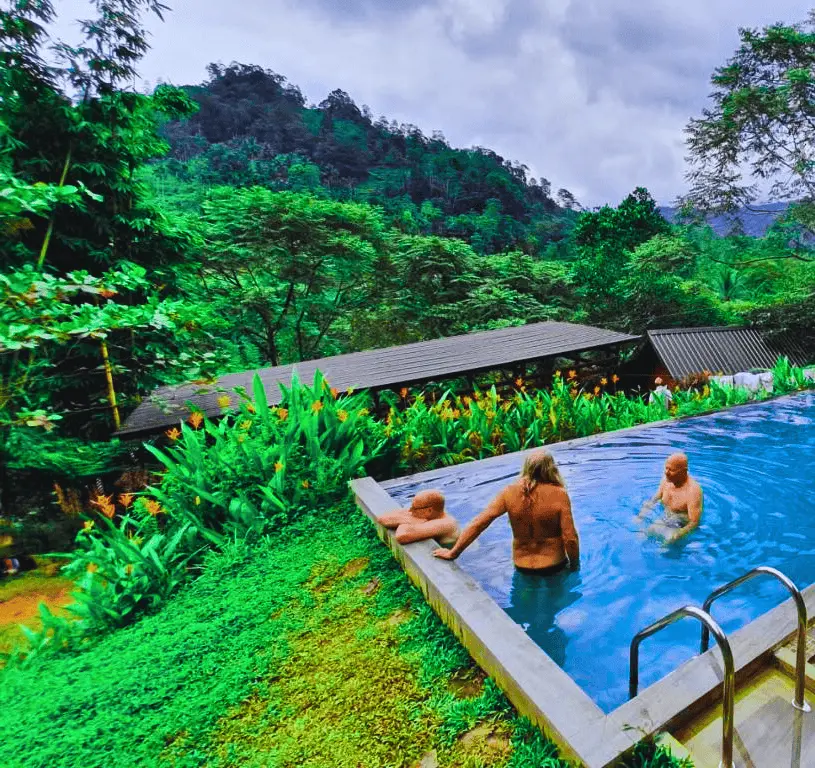

Here are three excellent accommodation options just outside the rainforest — perfect for nature lovers and eco-travelers.
1. Mist of Sinharaja Eco Lodge
4.9•Hotel
Nestled near the Neluwa entrance of the rainforest, this lodge offers eco-cottages with views of a stream and forest.
Ideal for peace-seekers: relaxing atmosphere, bird-song, jungle sounds, close access to the nature trails.
Tip: Ask for a cottage with a view of the stream for a more immersive experience.
2. Rainforest Eco Lodge (Deniyaya)
Travel and Transportation
- Set on the Enselwatte Tea Estate bordering the rainforest — a more secluded, nature-immersed option.
- Especially good for travelers who want to stay slightly away from village bustle but still close to the forest.
- Tip: Bring waterproof gear — this region may get mist or light rain even outside peak monsoon.
3. Sinharaja Tranquil Homestay
4.4•Hotel
A guest-house style stay in Deniyaya offering comfortable rooms, a garden, and local hospitality.
Great budget-friendly option for solo travelers or couples who value simplicity and nature.
Tip: Verify what amenities are included (especially if you prefer air-conditioning or more amenities) since it’s more modest than full eco-lodge resorts.
Quick Comparison & Travel Tips
- Luxury / Immersion → Mist of Sinharaja or Rainforest Eco Lodge.
- Budget / Homestay feel → Sinharaja Tranquil Homestay.
- In all cases: staying near Deniyaya or Neluwa gives you fast access to the rainforest trails.
- Ask about: included meals, transportation to forest entrance, mosquito/leeches protection, early breakfast for trek start.
Responsible Travel Tips for Visitors
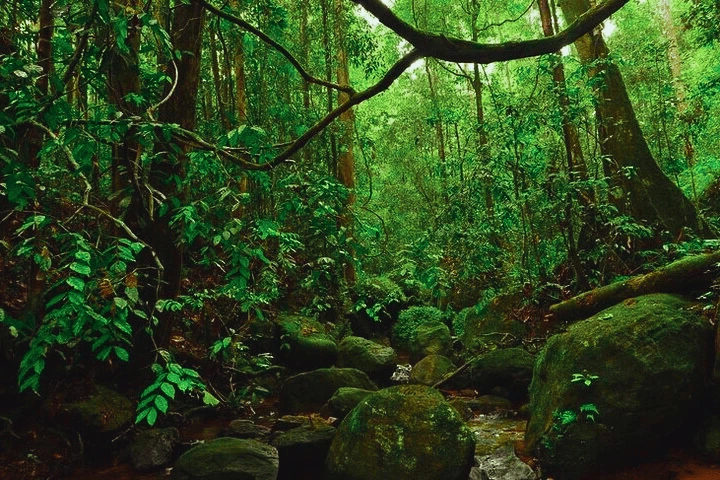
Visiting the Sinharaja Rain Forest is a privilege — it’s one of the few untouched tropical rainforests left in the world. To help protect this fragile ecosystem and ensure a positive experience for everyone, travelers should follow a few key responsible travel practices.
🌿 1. Respect Nature and Wildlife
Do not pick plants, feed animals, or disturb their natural behavior. The forest is home to many rare and endangered species, and even small actions can disrupt their habitat. Observe wildlife quietly and from a safe distance.
🚯 2. Leave No Trace
Carry all your waste back with you — even biodegradable items like fruit peels can harm the forest ecosystem. Avoid plastic bottles and use reusable water containers instead. Let the forest remain as pristine as you found it.
🗣️ 3. Follow Your Guide’s Instructions
Always explore Sinharaja with a licensed local guide. They know the safe routes, wildlife behavior, and environmental regulations. Following their lead ensures your safety and helps support local livelihoods.
💧 4. Be Mindful of Water and Energy Use
If you’re staying near the forest, use water and electricity responsibly. Many eco-lodges rely on limited resources. A shorter shower or turning off unused lights helps reduce your footprint.
🩴 5. Dress and Behave Respectfully
Wear comfortable, modest clothing suitable for hiking, and avoid loud noises or music inside the forest. Respect local culture and the spiritual connection many Sri Lankans have with nature.
🌱 6. Support Local Communities
Buy souvenirs from local artisans, eat at nearby cafes, and hire community-based guides. Your visit can directly benefit the families living around the forest and encourage sustainable tourism.
📸 7. Capture Memories, Not Souvenirs
Take only photographs and leave everything else behind. Use your camera to share Sinharaja’s story and inspire others to travel responsibly.
Photography Tips: Capturing the Magic of Sinharaja
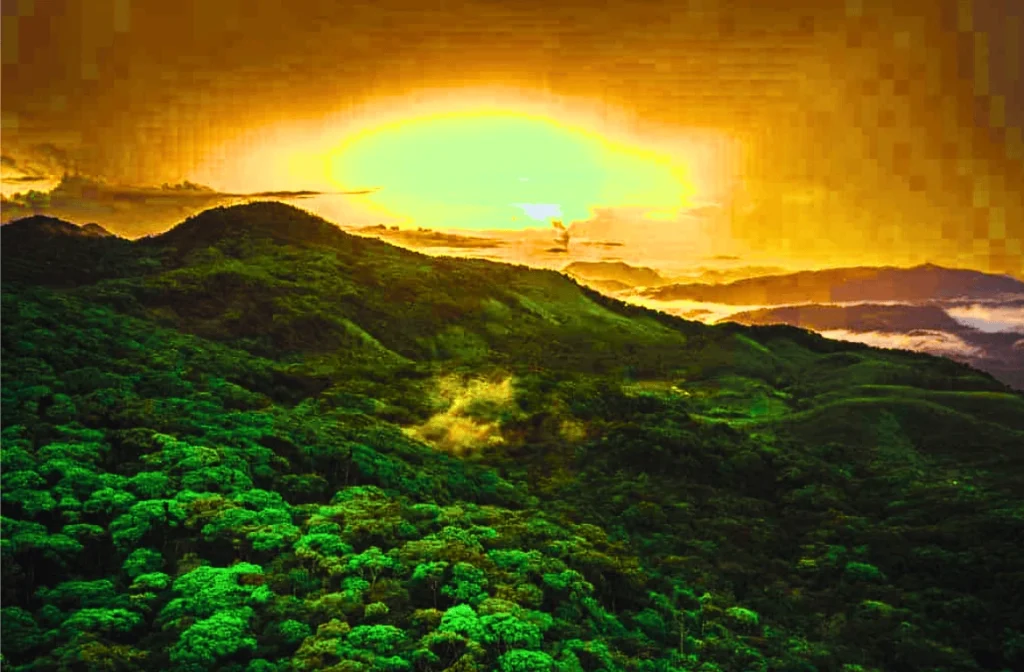
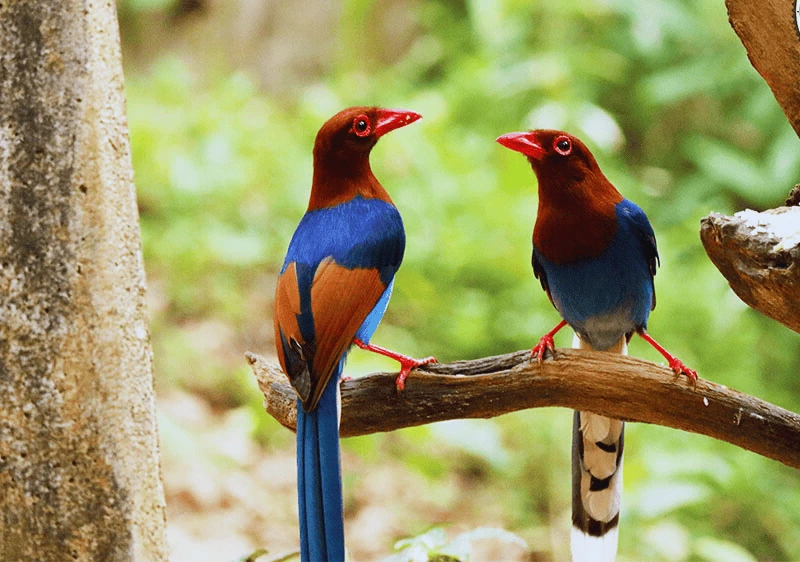
The Sinharaja Rain Forest is a dream come true for photographers — every corner is alive with color, texture, and movement. From mist-covered trees to exotic wildlife, the forest offers endless opportunities to capture the raw beauty of nature. Here are some practical tips to help you take stunning photos during your visit:
🌅 1. Visit Early in the Morning
The best time to shoot is early morning (6:00–9:00 a.m.), when the sunlight filters gently through the mist and canopy. The soft light adds a magical glow to your shots, and wildlife is most active during this time.
🔍 2. Use a Macro Lens for Insects and Plants
A macro lens helps you capture the fine details — dewdrops on leaves, bright mushrooms, colorful insects, and patterns on tree bark. Sinharaja is full of micro wonders that tell its story in the smallest forms of life.
☔ 3. Protect Your Camera from Rain and Humidity
The forest’s humidity can be intense. Keep your camera in a waterproof bag or use a rain cover when trekking. Silica gel packs in your camera bag can help prevent moisture damage.
🐦 4. Bring a Zoom Lens for Birds and Wildlife
Birds like the Sri Lanka Blue Magpie and Red-Faced Malkoha are shy and often stay high in the canopy. A telephoto or zoom lens (200mm or above) helps you photograph them clearly without disturbing their habitat.
📷 5. Capture the Mood of the Forest
Don’t just focus on subjects — capture the atmosphere. The mist, the beams of sunlight through leaves, and the patterns of shadows all add emotion and depth to your shots. Try wide-angle shots to show the vastness of the rainforest.
🧍 6. Include People for Scale
If you’re hiking with others, include them in your photos to show how massive and majestic the trees and terrain really are. It gives your audience perspective and life to your compositions.
🕊️ 7. Be Patient and Quiet
Wildlife photography takes time. Wait silently, move slowly, and let the forest come to you. You’ll capture more natural and authentic moments this way.
Nearby Attractions to Explore
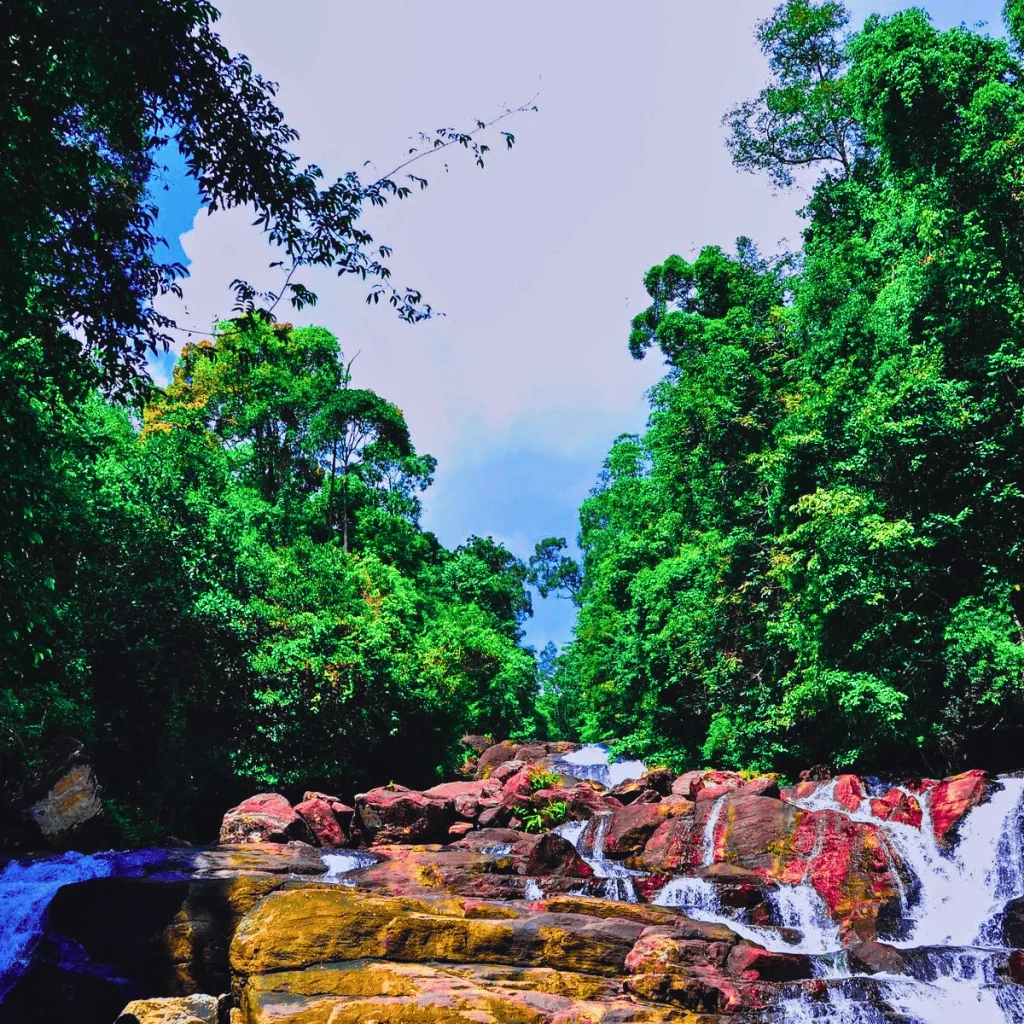
While the Sinharaja Rain Forest is a breathtaking destination on its own, the surrounding region offers several other natural and cultural gems worth exploring. If you’re planning a multi-day trip, here are some top nearby attractions to add to your itinerary:
🐘 1. Udawalawe National Park
Located about 2.5 hours from Sinharaja, Udawalawe National Park is one of the best places in Sri Lanka to see wild elephants roaming freely. The park also shelters leopards, crocodiles, and countless bird species. Early morning or late afternoon jeep safaris offer the best wildlife viewing experiences.
🌿 2. Kanneliya Forest Reserve
A lesser-known but equally stunning rainforest, Kanneliya Forest Reserve lies about 60 km from Sinharaja. It’s part of Sri Lanka’s rainforest cluster and features scenic walking trails, waterfalls, and rare plant species. Ideal for travelers who enjoy quiet, off-the-beaten-path nature experiences.
🏖️ 3. Madu River Safari (Balapitiya)
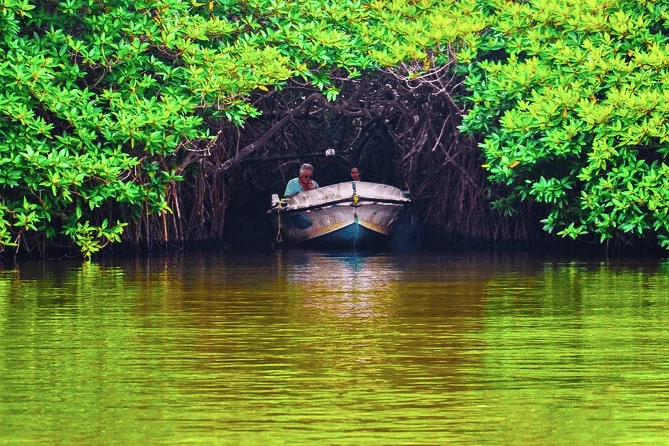
If you’re heading toward the coast, stop by Madu River for a tranquil boat safari through mangroves and small islands. You can spot monitor lizards, monkeys, and even visit the famous Cinnamon Island, where locals demonstrate traditional cinnamon production.
🛕 4. Kushtarajagala Ancient Statue (Weligama)
History lovers can take a detour to see the Kushtarajagala Buddha statue, a fascinating rock carving dating back to the 6th–8th centuries. It’s about 2 hours from Sinharaja, offering a glimpse into Sri Lanka’s rich heritage.
💦 5. Neluwa Duwili Ella Waterfall
Close to the Neluwa entrance of Sinharaja, this magnificent waterfall cascades through the forest, creating a misty and serene environment. It’s perfect for a half-day trip filled with photography and relaxation.
🏡 6. Tea Estates and Local Villages
Around Deniyaya and Weddagala, you’ll find picturesque tea plantations and small villages where you can experience authentic Sri Lankan hospitality. Take a tour to learn about tea-making and enjoy a warm cup with scenic mountain views.
Conclusion & Call-to-Action
The Sinharaja Rain Forest is more than just a travel destination — it’s a living, breathing world where nature thrives in perfect harmony. From its towering trees and hidden waterfalls to the calls of rare birds echoing through the mist, every moment spent here connects you to something pure and timeless.
Whether you’re a photographer chasing the perfect shot, a nature lover seeking peace, or an adventurer eager to explore, Sinharaja offers an experience like no other. It’s a place that reminds us why preserving our planet’s natural wonders is so important.
So pack your hiking shoes, grab your camera, and get ready to lose yourself in the magic of the jungle. 🌿
👉 Ready to explore Sri Lanka’s wild heart?
Plan your visit to the Sinharaja Rain Forest today and witness one of the world’s most extraordinary ecosystems — where every step tells a story, and every breath feels alive.
Read more about Atamasthana in Sri Lanka , Arugam Bay Sri Lanka in our other travel articles.