Tucked away on the southeast coast of Sri Lanka, Kumana National Park is a hidden gem for wildlife enthusiasts, birdwatchers, and travelers seeking serene natural beauty. Unlike the more crowded parks, Kumana offers a peaceful escape where you can witness elephants roaming freely, spot rare leopards, and marvel at the vibrant flocks of migratory birds that make this park a global hotspot for birdwatching.
Whether you’re planning a thrilling safari adventure, a nature photography trip, or a tranquil retreat surrounded by untouched wetlands, Kumana National Park promises an unforgettable experience. This guide will take you through the best things to do, how to reach the park, travel tips, and nearby attractions, making your journey smooth and memorable.
What Makes Sri Lanka Kumana National Park Special?
Nestled along Sri Lanka’s southeast coastline, Kumana National Park is a lesser-known wildlife sanctuary that offers a perfect blend of untouched nature, rich biodiversity, and peaceful landscapes. Unlike its more crowded neighbor, Yala National Park, Kumana provides a tranquil environment, making it ideal for travelers who want to experience wildlife without the hustle of large tourist crowds.
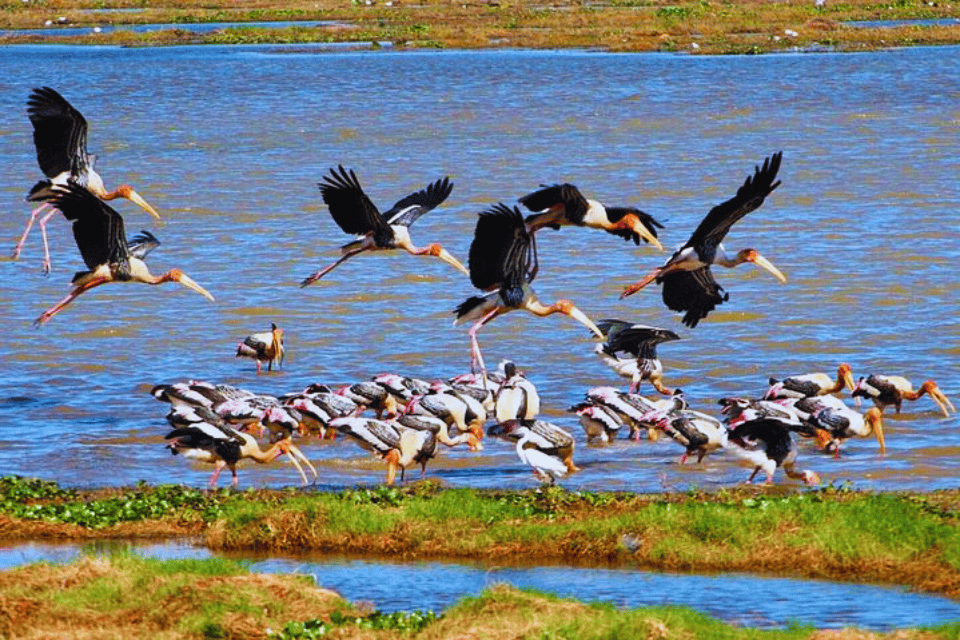
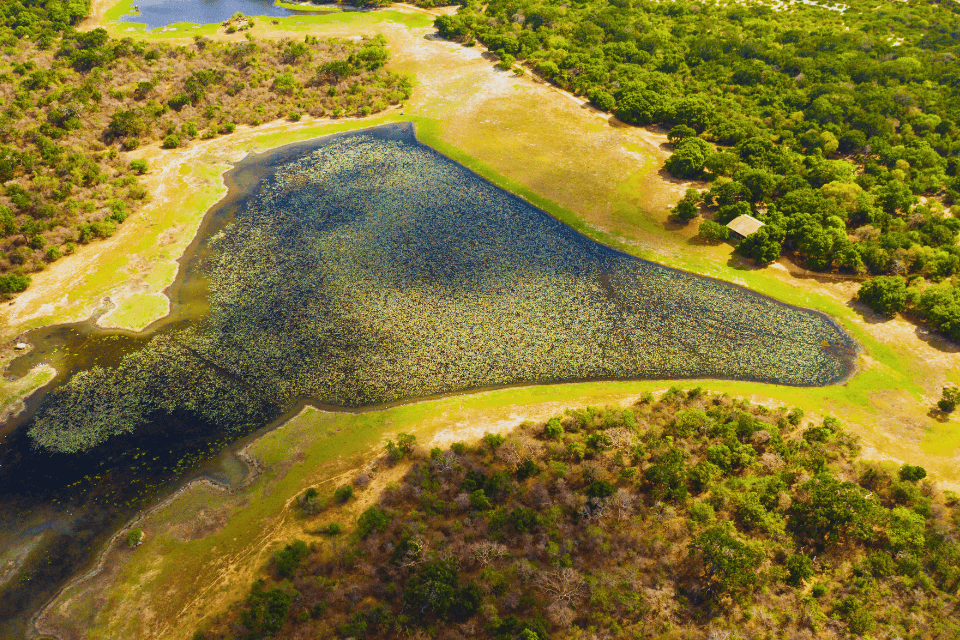
The park is renowned for its diverse ecosystems — from dense forests and open grasslands to wetlands and lagoons — creating a safe haven for both terrestrial and migratory species. Kumana is especially famous for birdwatching, hosting thousands of migratory birds during the season, including pelicans, storks, and spoonbills.
In addition to birds, Kumana shelters a variety of wildlife, such as elephants, leopards, sloth bears, and marsh deer, offering visitors unforgettable encounters with Sri Lanka’s natural heritage. Its quiet trails, scenic lagoons, and rich biodiversity make it a must-visit destination for nature lovers and adventure travelers alike.
Best Things to Do in Sri Lanka Kumana National Park
Kumana National Park is full of exciting activities and unforgettable experiences for nature lovers, photographers, and adventure seekers. From spotting majestic wildlife to exploring serene lagoons, here’s a list of the top things to do in the park.
Go on a Wildlife Safari Adventure
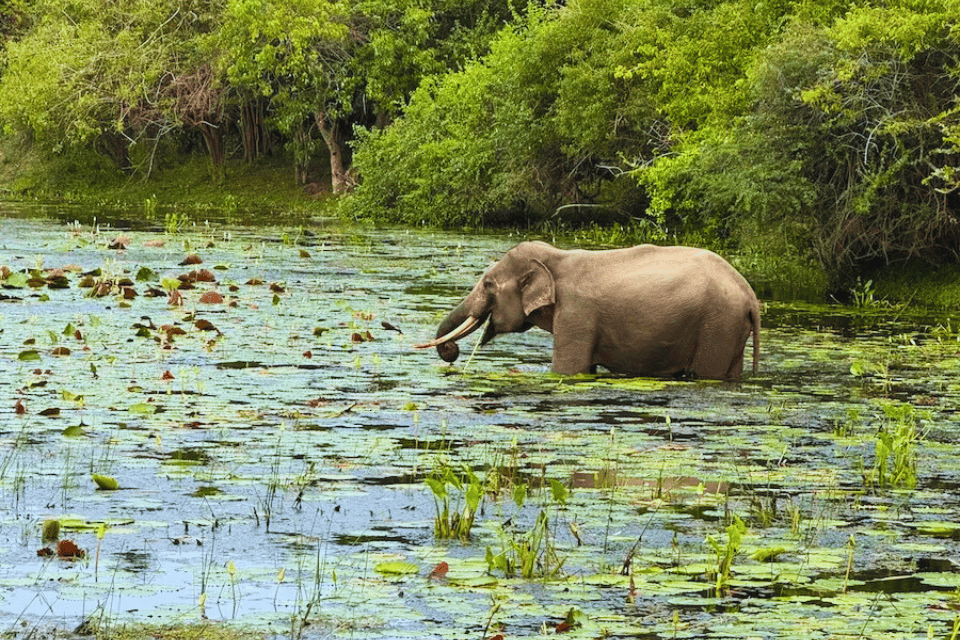
Embark on a jeep safari to spot elephants, leopards, marsh deer, and wild buffalo. Kumana’s open grasslands and dense forests provide the perfect backdrop for capturing close-up wildlife photos. Safaris are usually guided, ensuring safety while giving you a chance to learn about the animals and their habitats.
Birdwatching at Kumana Villu & Wetlands
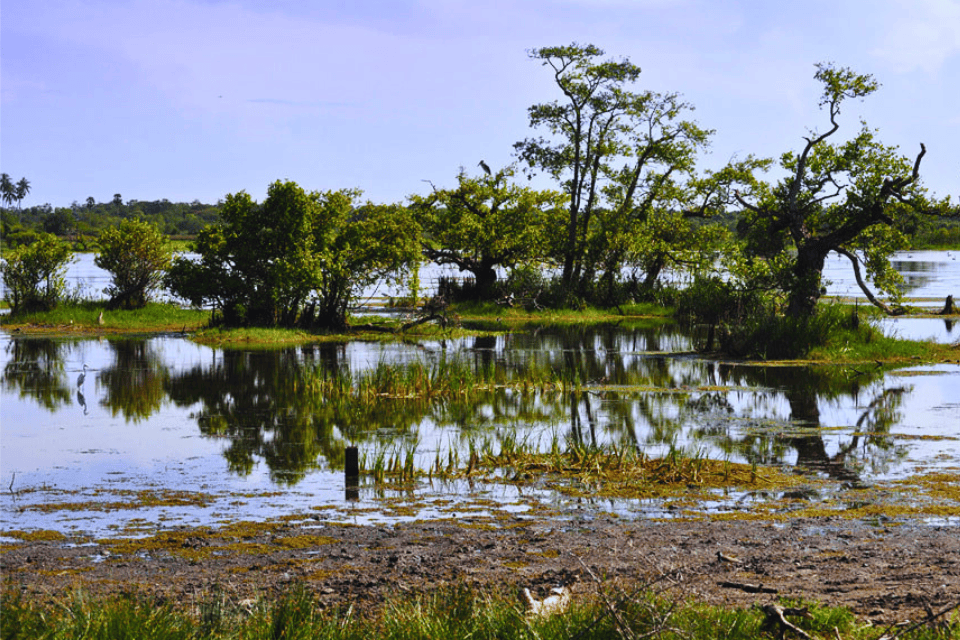
Kumana is a birdwatcher’s paradise, home to thousands of migratory birds each year. Pelicans, painted storks, spoonbills, and herons flock to the wetlands, making it an ideal spot for photography and bird observation. Bring binoculars and a camera to catch some rare sights.
Explore Scenic Lagoons & Mangroves
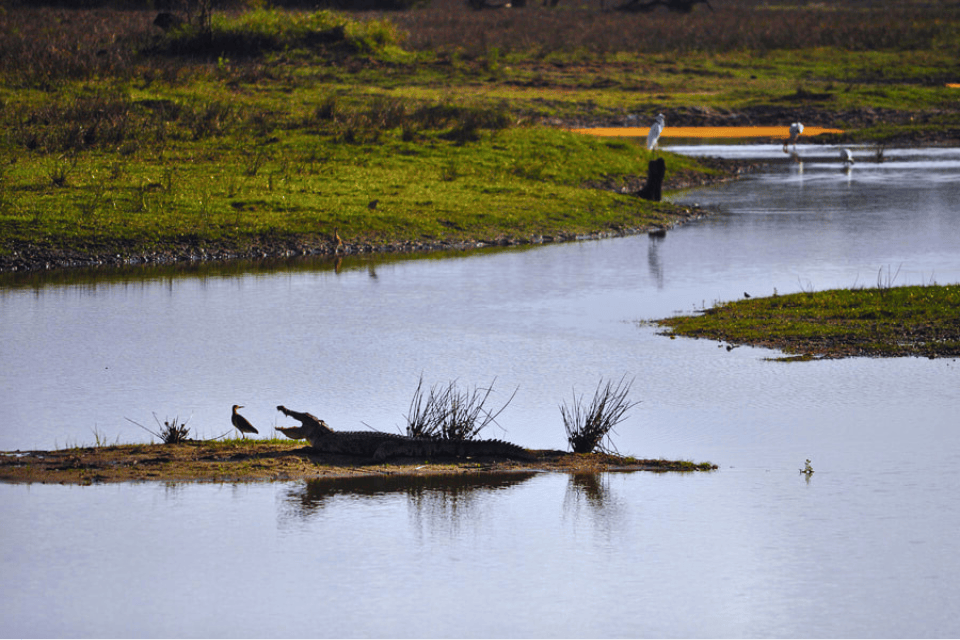
The park features peaceful lagoons and mangrove-lined waterways where visitors can enjoy nature walks, photography, or quiet reflection. These calm areas are also great for spotting smaller wildlife and waterbirds that thrive in these habitats.
Visit the Ancient Kumana Villu Bird Nesting Grounds
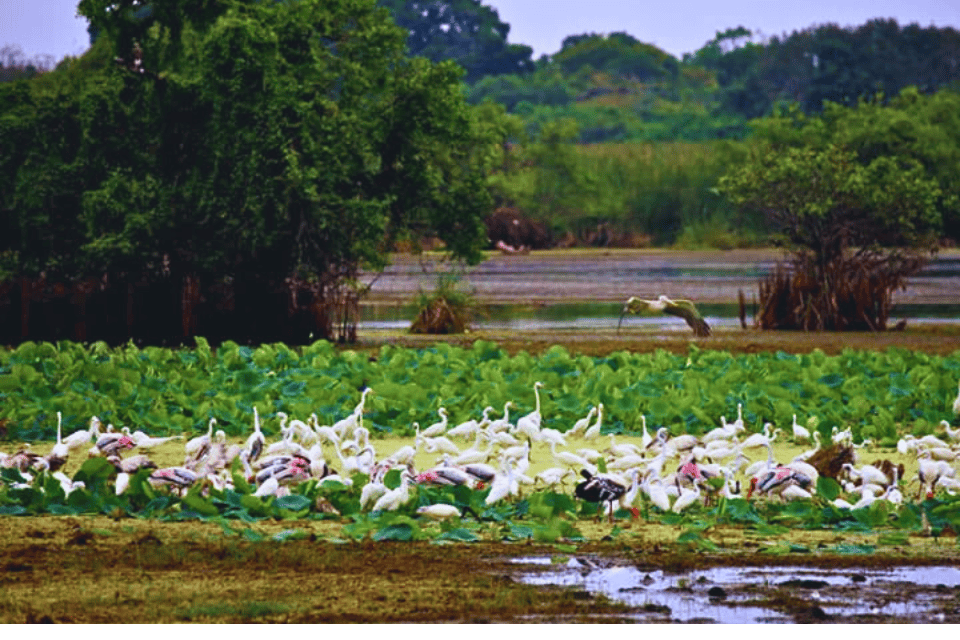
During nesting season, Kumana becomes a vital sanctuary for birds, providing a rare chance to observe breeding colonies in their natural habitat. Guided tours allow you to experience this without disturbing the delicate ecosystem.
Experience Wilderness Camping (With Permits)
For the adventurous, wilderness camping offers an immersive experience inside or near the park. Campers can enjoy sunsets over the wetlands, night sounds of the forest, and early morning wildlife sightings, making it a memorable experience for thrill-seekers and nature lovers alike.
Best Time to Visit Kumana National Park
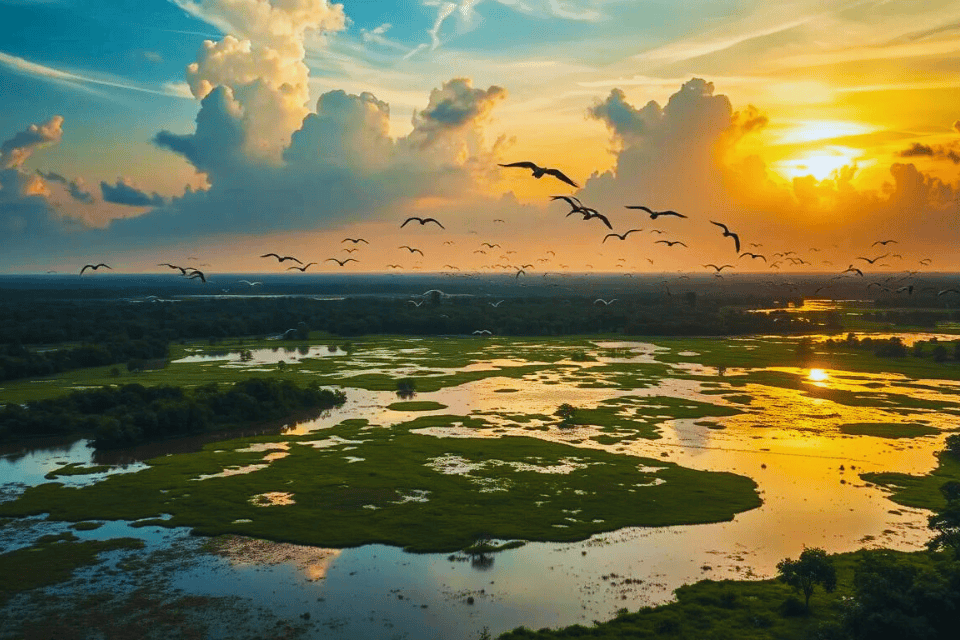
Timing your visit to Kumana National Park can greatly enhance your wildlife and birdwatching experience. The park experiences two main seasons that affect accessibility, wildlife activity, and bird migrations.
Dry Season (February to April)
The dry season is considered the best time to visit. During these months, the weather is sunny, and water levels in the lagoons and wetlands are lower, making wildlife easier to spot. This is also the peak season for migratory birds, so birdwatchers can see flocks of pelicans, storks, and other rare species in full display.
Monsoon Season (May to January)
While some travelers avoid the monsoon season due to heavy rains, visiting during this time can still be rewarding for those seeking fewer crowds and lush green landscapes. However, certain safari routes may be temporarily closed due to flooding, so it’s important to check park accessibility in advance.
Tips for Choosing the Right Time
- For photography: Dry season offers clearer skies and better lighting.
- For solitude: Monsoon season provides a quieter, more private experience.
- For birdwatching: Peak migration occurs between February and April.
By planning your trip according to the seasonal highlights, you can maximize your chances of enjoying the wildlife, lagoons, and unique natural beauty that Kumana National Park has to offer.
How to Reach Sri Lanka Kumana National Park
Reaching Kumana National Park is relatively easy, whether you’re coming from Colombo, popular tourist towns, or nearby beaches. Here’s a clear guide for international travelers and adventure seekers:

From Colombo
The journey from Colombo, Sri Lanka’s capital, takes approximately 6–7 hours by car. Travelers usually hire a private car or taxi for convenience, as public transport is limited. Along the way, you’ll pass through scenic villages and lush landscapes, making the drive part of the experience.
From Arugam Bay (Most Popular Route)
Arugam Bay, a favorite among surfers and travelers, is just 2–3 hours away by car. Many visitors combine a surfing trip with a wildlife safari at Kumana. Local tour operators from Arugam Bay offer jeep safaris and guided day trips, which are convenient for first-time visitors.
By Public Transport
For budget travelers, buses and trains are available to nearby towns like Hambantota or Pottuvil. From there, you can hire a tuk-tuk or local taxi to reach the park entrance. While this method is slower, it provides an authentic local travel experience.
Tips for Travelers
- Start early: Safaris are best in the morning when wildlife is most active.
- Hire a guide: Park guides enhance your experience with insights about animals and birds.
- Check road conditions: Some routes can be rough during the rainy season.
By planning your route carefully, you can ensure a smooth and enjoyable trip to this serene wildlife paradise.
Safari Packages & Entrance Fees

A visit to Kumana National Park is not complete without experiencing a jeep safari, the best way to explore its diverse wildlife and scenic landscapes. Here’s what you need to know about safari options and park fees:
Safari Packages
Most visitors opt for a guided jeep safari, which usually lasts 3–6 hours. Packages often include:
- Experienced park guides
- Private or shared jeep rides
- Pick-up and drop-off from nearby towns or hotels
Some tour operators also offer overnight safari experiences combined with wilderness camping near the park, providing a more immersive adventure. Booking in advance is recommended, especially during the peak season (February to April).
Entrance Fees
Entrance fees vary depending on your nationality and vehicle type. Generally:
- Foreign tourists pay a higher fee than local visitors
- Jeep hire is usually extra and paid directly to the operator
- Children under a certain age may have discounted or free entry
Tips for a Smooth Safari Experience
- Bring binoculars and a camera for wildlife spotting and photography.
- Wear comfortable, neutral-colored clothing to blend into the environment.
- Carry water, snacks, and sunscreen, as safaris can be long and sunny.
- Always follow park rules to ensure safety for both visitors and wildlife.
With the right safari package, you can maximize your chances of spotting elephants, leopards, and thousands of migratory birds, making your trip to Kumana truly unforgettable.
Travel Tips for Visiting Sri Lanka Kumana National Park
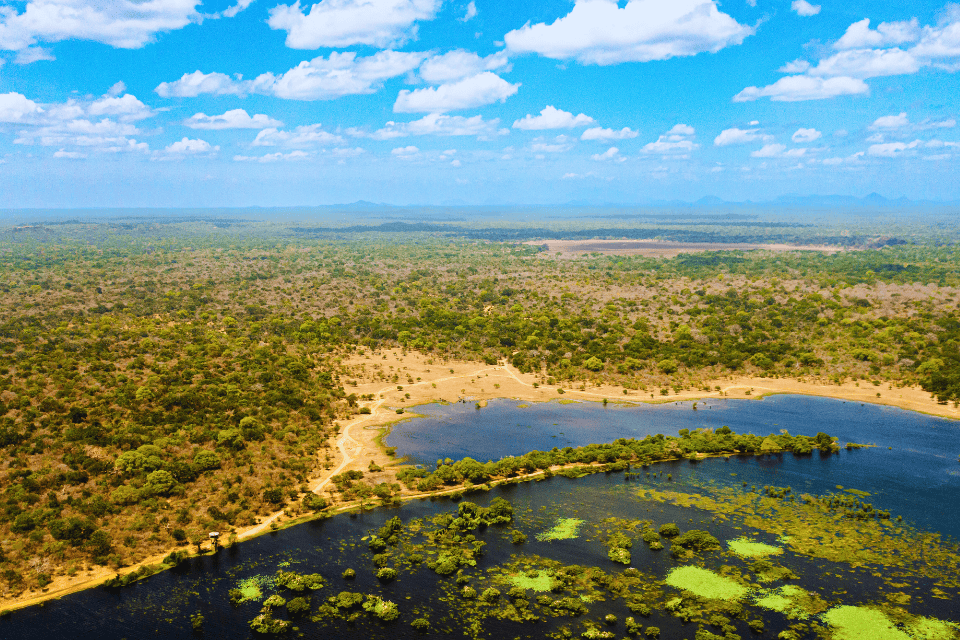
To make the most of your trip to Kumana National Park, it’s important to plan ahead and be prepared. These tips will help ensure a safe, enjoyable, and memorable experience.
What to Pack
- Binoculars and camera for wildlife and bird photography.
- Comfortable clothing in neutral colors to blend with nature.
- Hat, sunglasses, and sunscreen to protect against the sun.
- Water and snacks for long safaris.
- Insect repellent to avoid mosquito bites.
Safety & Etiquette
- Always follow park rules and instructions from guides.
- Keep a safe distance from wildlife and never feed animals.
- Avoid loud noises to prevent disturbing the animals.
- Use designated trails and jeep paths to protect the environment.
Photography Tips
- Early mornings and late afternoons offer the best natural lighting.
- Use zoom lenses to capture wildlife without disturbing them.
- Take advantage of the scenic lagoons and wetlands for landscape shots.
- Be patient—sometimes the best shots come from quiet observation.
Booking & Planning
- Safari bookings: Reserve jeep safaris in advance, especially during peak season (February–April)
- Guided tours: Hiring a local guide enhances your experience and helps spot wildlife
- Accommodations near Kumana:
- Kumana Safari Lodge – Comfortable stay close to the park entrance
- Chena Huts by Uga Escapes – Luxury eco-friendly tents in a wildlife-rich area
- Panama Eco Lodge – Budget-friendly option near Panama Village
- Blue Wave Arugam Bay – Ideal if combining surf and safari trips
- Check weather conditions before traveling to avoid rain-related closures
Planning your safari, guide services, and nearby hotels in advance ensures a smooth and enjoyable trip to Kumana National Park.
Nearby Attractions You Shouldn’t Miss
Nearby Attractions You Shouldn’t Miss
While visiting Kumana National Park, there are several nearby attractions that can make your trip even more memorable. From cultural sites to serene beaches, these spots are perfect for travelers who want to explore the region beyond the park.
Arugam Bay

Just a few hours from Kumana, Arugam Bay is a world-famous surfing destination. Even if you’re not a surfer, the area offers beautiful beaches, laid-back cafes, and scenic sunsets, making it a great stop for relaxation after a wildlife safari.
Okanda Temple

Located near the coast, Okanda Temple is an important pilgrimage site. Visitors can enjoy the peaceful atmosphere and scenic coastal views while learning about local culture and traditions.
Panama Village

A short drive from the park, Panama Village provides a glimpse into traditional Sri Lankan village life. Explore the local markets, interact with residents, and enjoy authentic Sri Lankan cuisine for a cultural experience.
Bundala National Park (Optional)
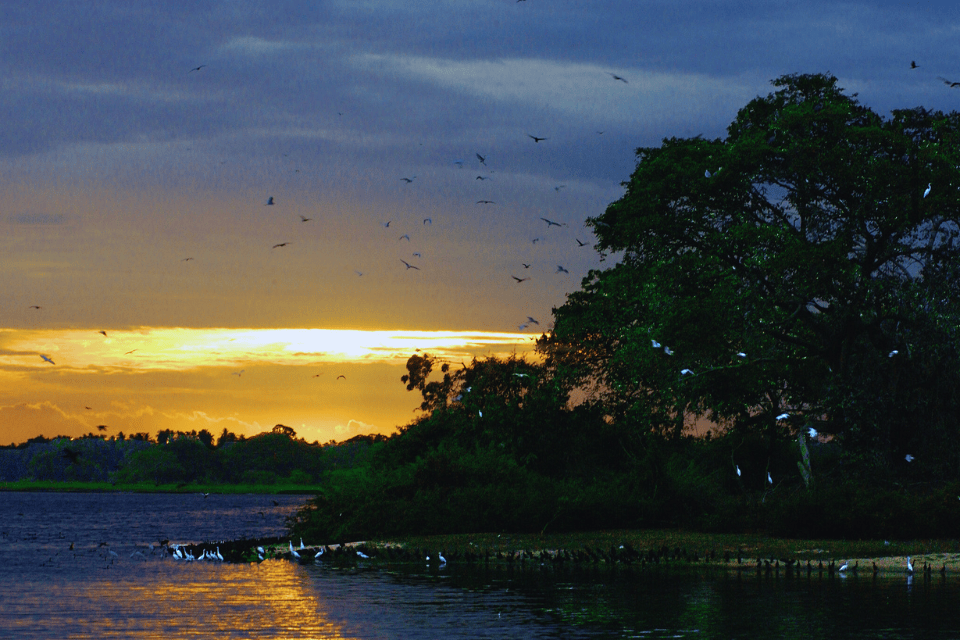
For travelers with extra time, Bundala National Park is nearby and known for its flamingos, migratory birds, and wetlands. It’s an excellent complement to Kumana, especially for birdwatchers and photographers.
These nearby attractions allow travelers to combine wildlife adventures with culture, beaches, and photography opportunities, making your Sri Lanka trip diverse and unforgettable.
Conclusion & Call-to-Action
Kumana National Park is a hidden gem in Sri Lanka that offers unforgettable wildlife encounters, serene lagoons, and world-class birdwatching opportunities. From thrilling jeep safaris to peaceful nature walks, this park provides something for every type of traveler. Its quieter environment compared to other national parks makes it perfect for those seeking adventure, photography, and tranquility in one trip.
Whether you’re visiting for the migratory birds, elephants, or the scenic landscapes, Kumana promises a unique experience that connects you with Sri Lanka’s rich natural heritage.
Call-to-Action:
- Plan your trip today and explore the untamed beauty of Kumana National Park.
- Book a guided safari to maximize your chances of spotting wildlife safely.
- Share this guide with fellow travelers and help them discover the wonders of Sri Lanka.
Don’t miss the chance to witness nature at its most vibrant and untouched—Kumana National Park is waiting for you!
Read more about Elephant Transit Home Udawalawe , Ella Sri Lanka to Yala National Park in our other travel articles.