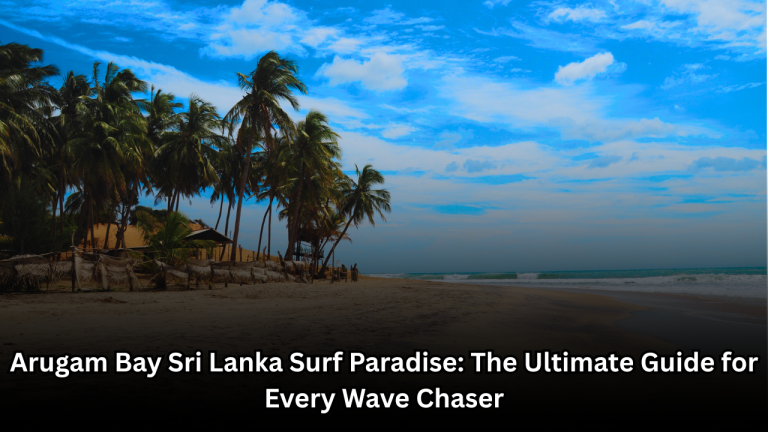
Situated on the east coast of Sri Lanka, Trincomalee is an amazing city where nature, culture, and spirituality coexist in perfect harmony. Referred to as the Wonder of Trincomalee, this beautiful seaside getaway provides visitors with countless options — from ancient hilltop temples to pristine beaches and coral reefs brimming with marine life.
Trincomalee has something special to offer everyone; whether you are an adventure seeker interested in snorkeling around Pigeon Island or a history enthusiast wanting to visit the Koneswaram Temple, or simply someone who wants to relax in a tranquil setting along the shimmering blue waters of Nilaveli Beach, Trincomalee offers endless opportunities for exploration and relaxation.
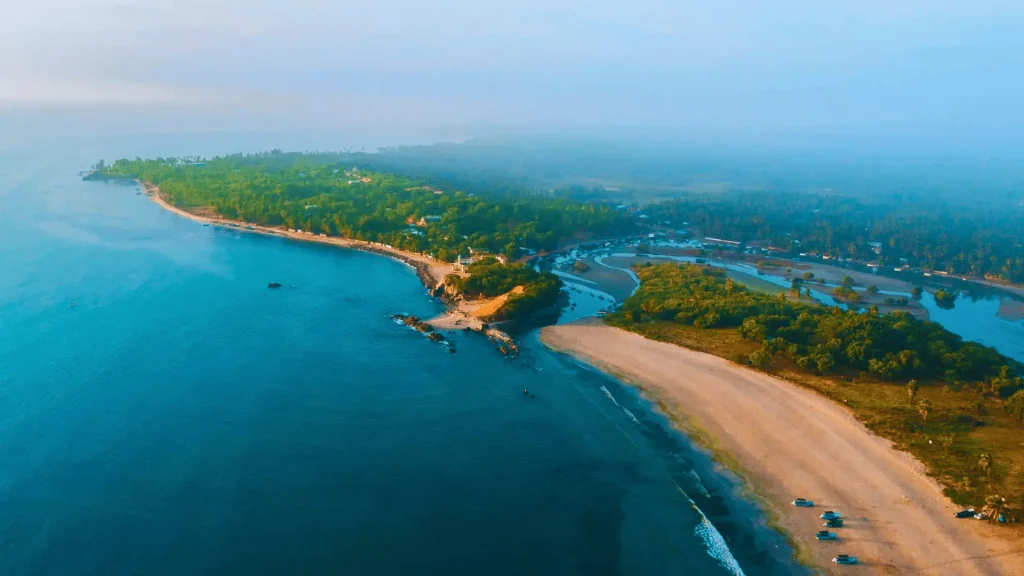
In this article, we’ll uncover what truly makes Trincomalee a wonder — exploring its sacred sites, beautiful beaches, local culture, entry fees, and the best tips for your visit. Get ready to discover a destination where every sunrise feels like a blessing and every view tells a story.
Why Trincomalee is Called a Wonder
Trincomalee is often called the “Wonder of Trincomalee Sri Lanka” because it’s one of those rare destinations where natural beauty, spirituality, and history come together in harmony. Every corner of this coastal city holds a story — from ancient legends carved into temple walls to the gentle waves washing the golden sands.

Situated on the eastern coast of Sri Lanka, Trincomalee boasts one of the world’s finest natural harbors — a deep, sheltered bay that has attracted traders and explorers for centuries. Its strategic importance made it a prized location for the Portuguese, Dutch, and British, leaving behind a fascinating mix of cultures and architecture.
Beyond its history, what truly sets Trincomalee apart is its serene coexistence with nature. It’s the only city in Sri Lanka where deer freely roam the streets, peacefully living alongside people — a rare sight that symbolizes harmony between humans and wildlife. This unique blend of spirituality and simplicity gives the city an atmosphere unlike anywhere else on the island.
Trincomalee is also home to sacred sites like Koneswaram Temple, known as the “Temple of a Thousand Pillars,” which sits atop Swami Rock overlooking the Indian Ocean. The breathtaking view from here is often described as one of the most beautiful in Asia, making it a true wonder in every sense.
From its turquoise waters to its ancient temples and natural treasures, Trincomalee isn’t just a place — it’s an experience. It invites travelers to slow down, breathe, and discover a side of Sri Lanka that feels both timeless and alive.
Top Attractions in Trincomalee
To truly experience the Wonder of Trincomalee Sri Lanka, you must explore its breathtaking attractions — a perfect mix of sacred sites, golden beaches, and natural marvels. From ancient temples to crystal-clear island waters, here are the must-visit places that make Trincomalee unforgettable.
🛕 Koneswaram Temple – The Sacred Cliffside Shrine
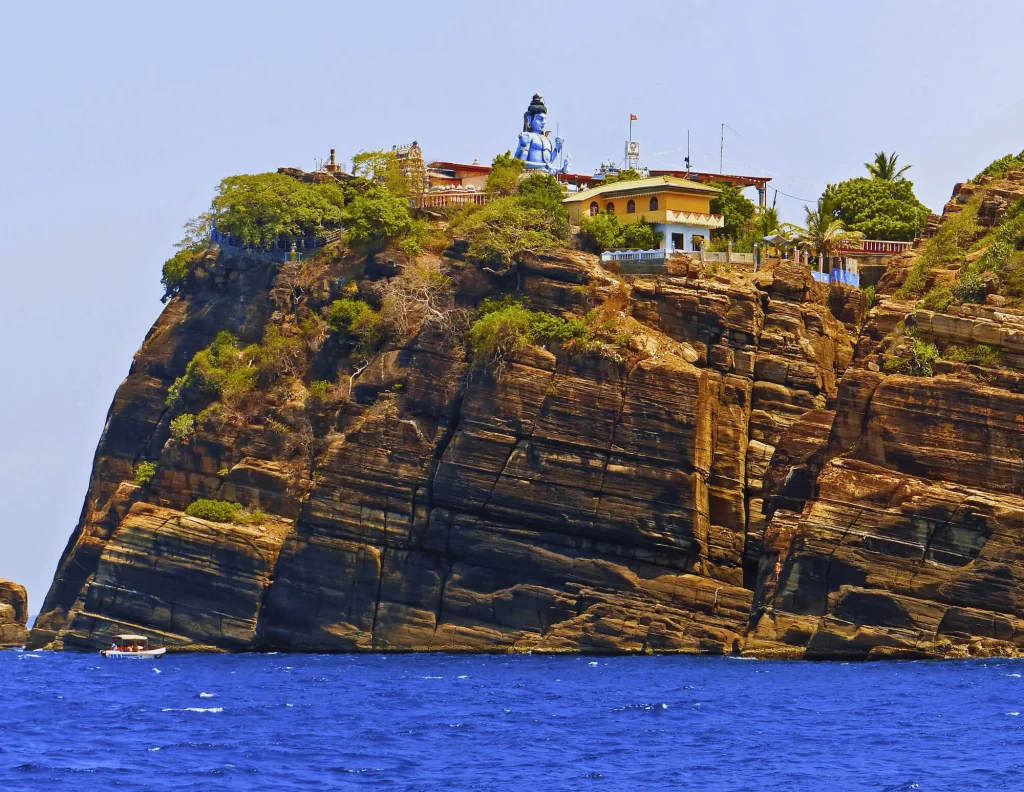

Standing majestically on Swami Rock, high above the blue waters of the Indian Ocean, Koneswaram Temple is the crown jewel of the Wonder of Trincomalee Sri Lanka. This ancient Hindu temple, dedicated to Lord Shiva, is believed to be over 3000 years old and is often called the “Temple of a Thousand Pillars.”
According to legend, the temple was once destroyed by Portuguese invaders in the 17th century and later rebuilt near its original location. Today, it remains a powerful symbol of faith, resilience, and cultural harmony. As you climb through the peaceful path shaded by trees and guarded by friendly deer from nearby Fort Frederick, you’ll feel a calm spiritual energy surrounding the area.
At the temple’s edge lies Lovers’ Leap Point, a breathtaking cliff that offers panoramic views of the endless ocean below. The viewpoint is tied to a touching tale of love and sacrifice, adding a touch of myth and romance to this sacred place.
Visitors can explore the temple grounds filled with colorful statues of Hindu gods, ancient stone carvings, and the soft sound of bells swaying in the sea breeze. It’s an experience that connects travelers deeply with Sri Lanka’s cultural and spiritual heart.
- Entry Fee: Free (Donations are appreciated)
- Opening Hours: 6:00 AM – 6:00 PM
- Best Time to Visit: Early morning or late afternoon for a peaceful visit and golden-hour photography
- Photo Tip: Capture the temple’s archway with the ocean in the background for one of the most iconic shots in Trincomalee.
- Dress Code: Modest clothing is required (shoulders and knees covered). Shoes must be removed before entering temple premises.
🏰 Fort Frederick – A Colonial Treasure Where Deer Roam Free

Built by the Portuguese in 1624 and later used by the Dutch and British, Fort Frederick stands as a reminder of Trincomalee’s rich colonial past. But what truly makes it special is that it’s the only place in Sri Lanka where deer roam freely inside a city fortress.
Visitors can walk through the fort, see the deer resting under the trees, and enjoy the calm surroundings. It’s also the main pathway to reach Koneswaram Temple.
- Entry Fee: Free
- Best Time to Visit: Early morning or sunset for peaceful moments and perfect photos
- Tip: Avoid feeding the deer — they are protected and symbolize the harmony between people and nature in Trincomalee.
🦌 Extra Note (for Article Flow):
In the introduction or “Why Trincomalee is Called a Wonder” section, you can also add this short line:
“Trincomalee is the only city in Sri Lanka where you’ll see wild deer walking peacefully along the streets — a rare and heartwarming sight that perfectly reflects the city’s gentle spirit.”

🏖️ Nilaveli Beach – The Coastal Paradise

Located just 16 km from Trincomalee town, Nilaveli Beach is a postcard-perfect stretch of white sand and turquoise water. It’s one of the best beaches in Sri Lanka for swimming, sunbathing, or simply relaxing under the palm trees.
From Nilaveli, you can take a boat ride to Pigeon Island National Park, a marine sanctuary known for coral reefs and colorful fish.
- Entry Fee: Free
- Boat Ride to Pigeon Island: Around LKR 3,000–4,000 per person
- Activities: Swimming, snorkeling, jet skiing
- Photo Tip: Capture the soft morning light reflecting on the ocean for dreamy shots.
🐠 Pigeon Island National Park – A Snorkeler’s Dream
Pigeon Island National Park is one of the top attractions that highlight the true Wonder of Trincomalee Sri Lanka. Located just a short boat ride from Nilaveli Beach, this marine sanctuary is famous for its vibrant coral reefs, tropical fish, and sea turtles.

🎟️ Pigeon Island Ticket Price & Entrance Details
For Foreign Tourists:
- Adults: USD 35–55
- Children: USD 20–40
- Includes: Entrance ticket, island access, and taxes
🕗 Best Time to Visit:
Morning hours (8 AM – 11 AM) – for clearest waters and best snorkeling visibility.
🚫 Avoid:
November – March (rough seas, possible park closures).
🌤️ Peak Season:
April – October – calm seas and excellent marine visibility.
💡 Prices and timings may vary, so confirm latest details before visiting.
🚐 Pigeon Island Tour & Package Prices
Day Tour from Colombo: Starting from USD 50 per person (1 – 8 persons)
Day Tour from Kandy: Starting from USD 30 per person (1 – 8 persons)
Vehicle Options:
- 🚗 Car (up to 2 persons): Toyota Axio, Prius Hybrid, or Honda Fit Shuttle
- 🚐 Van (3 – 8 persons): Toyota KDH or Nissan Caravan
All Packages Include:
✔ Entrance Tickets
✔ Transport (A/C vehicle + English-speaking chauffeur-guide)
✔ Refreshments
💰 Entrance Ticket Fees (Foreign Visitors):
- Adults – USD 35 / EUR 33 / GBP 30
- Children (5–12 years) – USD 18 / EUR 17 / GBP 15
🪸 This unforgettable experience offers a glimpse into Sri Lanka’s marine life, coral gardens, and untouched beauty — a must-see wonder of Trincomalee.
Pigeon Island Entrance Fees for tourists – Source
🌴 Marble Beach – The Hidden Gem

If you’re looking for a peaceful hideaway, Marble Beach is a must-visit. The water here is so calm and clear that it looks like polished marble — giving the beach its name.
Maintained by the Sri Lankan Air Force, the area is clean and ideal for families and couples. A small café nearby serves snacks and drinks with a stunning ocean view.
- Entry Fee: Free
- Facilities: Parking, restrooms, and a small restaurant
- Best Time to Visit: Morning or evening
- Photo Tip: Capture the mirror-like water surface with green hills in the background.
🔥 Kanniya Hot Springs – Ancient Healing Wells
Located about 8 km from Trincomalee town, Kanniya Hot Springs is one of the most famous historical sites in the region. The site features seven natural wells, each with different water temperatures.
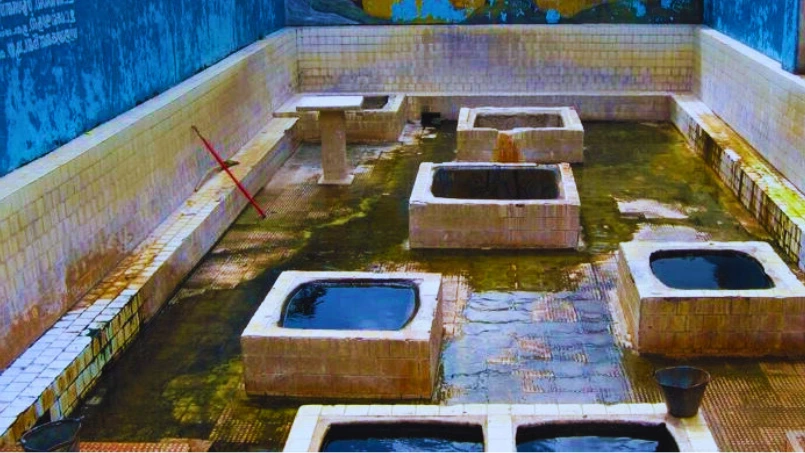
Locals believe these springs were built by King Ravana and that the water has healing powers for both body and soul.
- Entry Fee:
- Locals: LKR 100
- Foreigners: ~$2 USD
- Best Time to Visit: Early morning before crowds arrive
- Tip: Carry a small bucket — visitors traditionally pour the hot water over themselves rather than bathing.
🌅 Uppuveli Beach – The Laid-Back Beauty

Closer to the city center, Uppuveli Beach offers a perfect balance between relaxation and local culture. It’s less crowded than Nilaveli but equally stunning. You’ll find cozy beachfront cafés, yoga sessions at sunrise, and locals playing volleyball in the evenings.
- Entry Fee: Free
- Best For: Budget travelers and backpackers
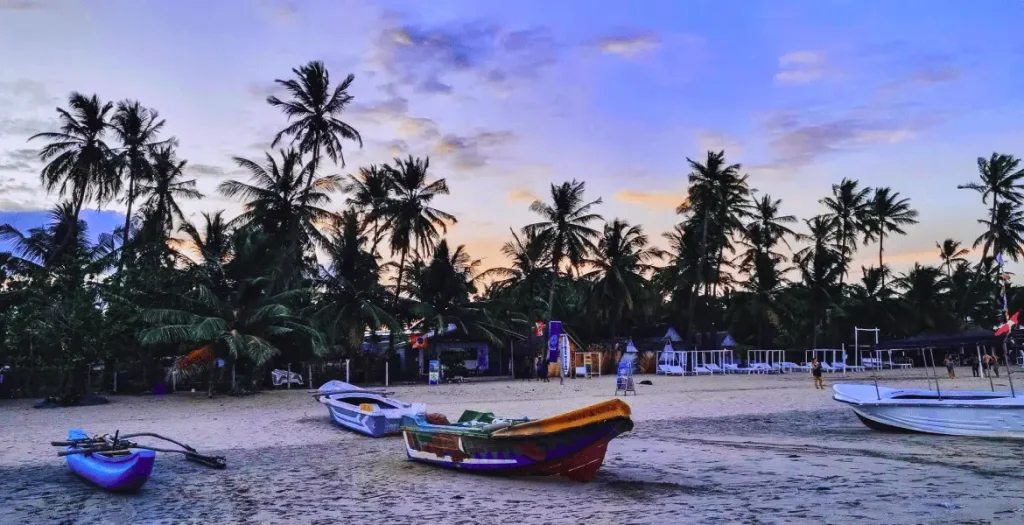
- Photo Tip: Capture fishermen returning with their colorful boats at dawn.
From temples to beaches, wildlife, and healing springs, these attractions define the Wonder of Trincomalee Sri Lanka — a place where every traveler can find something to love, whether it’s adventure, spirituality, or pure peace.
How to Visit Trincomalee

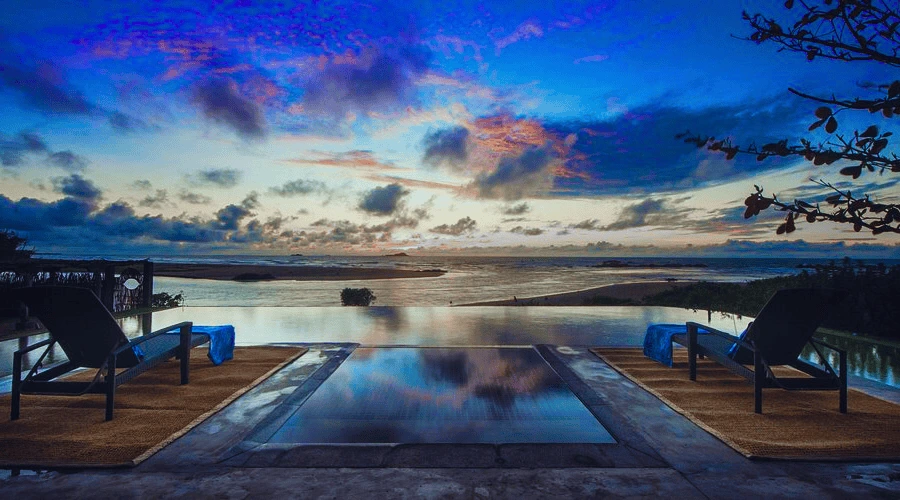

Getting to the Wonder of Trincomalee Sri Lanka is part of the adventure itself! Whether you’re traveling from Colombo, Kandy, or another part of the island, there are several scenic and affordable ways to reach this breathtaking coastal city.
🚆 By Train – A Scenic and Budget-Friendly Journey
The train journey from Colombo to Trincomalee is one of the most beautiful in Sri Lanka. The route passes through lush countryside, rice fields, and small villages, giving you a real glimpse of local life.
- Duration: Around 8–9 hours
- Cost: LKR 600–1,200 (2nd or 3rd class), LKR 2,000 (1st class observation seat)
- Tip: Book a window seat for the best views — especially during sunrise as the train approaches the eastern coast.
- Train Name: Trincomalee Express (operates daily from Colombo Fort Station).
🚌 By Bus – The Most Affordable Option
If you’re on a budget, long-distance AC buses run daily between Colombo, Kandy, and Trincomalee. The journey is comfortable and ideal for backpackers or solo travelers.
- Duration: Around 7–8 hours from Colombo
- Cost: LKR 2,000–3,000 (AC luxury bus)
- Starting Point: Colombo Central Bus Station (Pettah)
- Tip: Night buses are available — great if you want to save on accommodation and wake up by the beach.
🚖 By Private Taxi or Car – For Comfort and Flexibility
For travelers who prefer a faster and more private experience, hiring a taxi or private car is the most convenient way to reach Trincomalee. You can stop at scenic spots like Dambulla or Sigiriya along the way.
- Duration: Around 5–6 hours from Colombo
- Cost: Approximately $80–100 USD (one-way)
- Booking Options: Use apps like PickMe or Uber, or book through your hotel.
- Tip: Share a ride with other travelers to save costs while enjoying flexibility.
✈️ By Air – The Fastest Way
If you want to save time, take a domestic flight from Colombo to China Bay Airport, which is just 7 km from Trincomalee town. It’s a short and scenic flight over Sri Lanka’s beautiful coastline.
- Duration: 45–60 minutes
- Airline: FitsAir or Cinnamon Air
- Average Cost: Around $90–120 USD (one-way ticket)
- Tip: Book early during peak travel months (May–October) to secure your seat.
🚴♀️ Getting Around Trincomalee
Once you arrive, exploring the Wonder of Trincomalee Sri Lanka is easy!
- Tuk-Tuks: The most common and fun way to get around (LKR 300–800 per short ride).
- Scooter Rentals: Available at most guesthouses (LKR 2,000–3,000 per day).
- Bicycles: Perfect for short distances and beach areas.
✨ Travel Tip:
The best time to visit Trincomalee is May to October, when the weather is sunny and the sea is calm — ideal for beach activities and boat rides.
Where to Stay in Trincomalee
Finding the right accommodation will elevate your experience of the Wonder of Trincomalee Sri Lanka. Whether you’re after luxury, a mid-range beach resort, or a budget friendly guesthouse, Trincomalee has options for you. Below are some top picks and tips.
🏖️ Top Hotel & Resort Suggestions
- Trinco Blu by Cinnamon: A excellent beachfront resort offering comfort and amenities, ideal for travellers who want a bit of luxury near the sea.
- Amaranthe Bay Resort & Spa: Boutique resort located on Koddiyar Bay, great for relaxation with stylish rooms and seaside views.
- Pleasant Park Holiday Inn: A mid-budget option in a convenient location, good for travellers wanting easy access to main attractions.
- Budget Guesthouses/Hostels: There are many cheaper stays starting from very low nightly rates (~US $20-30 for a decent guesthouse) which are listed in booking platforms.
🌍 What to Choose Based on Your Needs
- Beachfront luxury: If you want resort amenities, spa, and everything by the sea — choose Trinco Blu or Amaranthe Bay.
- Mid-range comfort: Pleasant Park or similar guesthouses offer comfort without the high cost.
- Budget/Backpacker: Stay in Uppuveli or Nilaveli areas in guesthouses or hostels to save money and still be near the beach.
- Location tip: Nilaveli and Uppuveli are popular beach zones; staying closer to the beach means less travel for sun, sand, and water.
- Price range: 3-star hotels from ~$30-70 USD per night; 4-5 star resorts often $100+ USD per night (depending on season).
✅ Booking & Travel Tips
- Book early during the high season (dry months) to secure best rates and choice of rooms.
- Check for free WiFi, beach access and how far from key attractions like the temple or ferry points.
- Consider location: if you plan many day trips (temple, island) staying nearer central Trincomalee town may save transport time.
- Review cancellation policies and amenities, especially if you’re travelling from the USA and want peace of mind.
- Verify guest reviews for cleanliness, service, and safety.
Food & Dining: Taste the East Coast Flavors


A trip to the Wonder of Trincomalee Sri Lanka wouldn’t be complete without indulging in its unique blend of Eastern coastal flavors. Influenced by Tamil, Sinhalese, and colonial culinary traditions, Trincomalee’s food scene is full of vibrant spices, fresh seafood, and authentic Sri Lankan warmth. Whether you’re dining by the beach or tasting street food in town, every bite tells a story of the island’s rich culture.
🦀 Seafood Paradise by the Ocean
Thanks to its coastal location, Trincomalee is heaven for seafood lovers. From freshly caught crab and prawns to grilled fish and lobster, you’ll find dishes prepared with traditional Sri Lankan spices that pack both heat and flavor.
Top Picks:
- Dutch Bank Café (Uppuveli): Famous for its Sri Lankan crab curry and seafood platters.
- Fernando’s Bar: Great spot for sunset dining with grilled fish and tropical cocktails.
- Rice ‘n Curry Nilaveli: Try their spicy prawn curry served with rice and dhal.
💡 Tip: Most beach restaurants prepare seafood fresh from the day’s catch — always ask for the “catch of the day” for the best flavor!
🍛 Local Sri Lankan Delights
Trincomalee’s local eateries serve classic Sri Lankan meals that reflect the country’s home-style cooking. These dishes are flavorful, filling, and usually very affordable.
Must-Try Dishes:
- Rice and Curry: Served with lentils, vegetables, and spicy sambols.
- Kottu Roti: A favorite evening street food made from chopped roti, eggs, and vegetables.
- String Hoppers and Coconut Sambol: A perfect breakfast option to start your day.
- Jaffna Crab Curry: A fiery dish that represents the northern influence in Trincomalee cuisine.
💡 Tip: Visit small local cafes or “hotel” eateries — they serve authentic meals for under LKR 600 ($2 USD).
🥥 Vegetarian & Vegan-Friendly Options
Many restaurants in Trincomalee cater to vegetarian and vegan travelers, offering fresh fruit juices, curries made from lentils and chickpeas, and tropical salads.
Recommended Spots:
- Cafe On The 18th: Serves healthy smoothie bowls, vegan curries, and herbal teas.
- Gaga’s Green Kitchen: Popular for its organic, plant-based Sri Lankan meals.
- Trinco Lanka Restaurant: Offers both vegetarian and seafood options with beachside seating.
💡 Tip: Always ask if a dish contains fish or eggs — locals are happy to adjust recipes for dietary preferences.
🍹 What to Drink
Cool off after a sunny day with fresh tropical drinks and traditional Sri Lankan beverages:
- King Coconut Water – Nature’s best hydration!
- Wood Apple Juice – A sweet and tangy local favorite.
- Ceylon Tea – Perfect for mornings or sunsets by the sea.
- Arrack Cocktails – For adults looking to try a traditional Sri Lankan spirit (available in restaurants/bars).
🍴 Dining by the Beach – The True Trincomalee Experience
The best way to enjoy the Wonder of Trincomalee Sri Lanka is by dining right beside the ocean. Most beach cafés and resorts offer candlelit dinners under the stars, with the gentle sound of waves completing the island vibe. Whether it’s a romantic meal or a relaxed evening with friends, Trincomalee’s seaside charm makes every dining experience unforgettable.
💡 Average Meal Price:
- Local Café: $2–5 USD per meal
- Beach Restaurant: $8–15 USD
- Resort Dining: $20+ USD
From fiery crab curry to coconut-scented rice and tropical juices, the food in Trincomalee captures the true taste of Sri Lanka’s east coast — rich, colorful, and full of life. 🍛✨
Travel Tips & Essential Info


Before you set off to explore the Wonder of Trincomalee Sri Lanka, a little planning will make your trip smoother and more enjoyable. From the best time to visit to what to pack, here’s everything you need to know to make the most of your east coast adventure.
📅 Best Time to Visit Trincomalee
The ideal time to visit Trincomalee is May to October, when the weather is sunny, dry, and perfect for beach activities, snorkeling, and sightseeing.
Avoid the monsoon season (November to January) as heavy rains can limit travel options and sea conditions.
💡 Tip: If you’re looking for calm seas and whale watching, plan your visit between June and September.
🏖️ What to Pack
Pack light and breathable clothes — Trincomalee’s coastal climate is warm and humid year-round.
Here’s a quick checklist:
- Light cotton clothes, sun hats, and flip-flops 👕👒
- Swimwear for beaches and hot springs 🩱
- Sunglasses and sunscreen 😎
- Reusable water bottle 💧
- Power adapter (Sri Lanka uses Type D, M, and G plugs) 🔌
💡 Tip: Bring a lightweight scarf or shawl for temple visits like Koneswaram Temple, where modest dress is required.
🚗 Getting Around Trincomalee
Trincomalee is a compact coastal city, making it easy to explore by:
- Tuk-Tuk: Quick and cheap — about LKR 200–400 ($0.60–$1.20 USD) per short trip.
- Scooter Rental: Around LKR 2,500–3,500 ($7–10 USD) per day.
- Private Taxi or Car: Ideal for day trips to Nilaveli Beach, Marble Beach, or Pigeon Island.
💡 Tip: Always agree on the fare before getting into a tuk-tuk.
🏠 Safety & Local Etiquette
Trincomalee is one of the safest coastal towns in Sri Lanka, but basic travel precautions are always good to follow.
✅ Carry small cash, as some local shops don’t accept cards.
✅ Respect cultural and religious sites — remove footwear before entering temples.
✅ Avoid swimming in rough sea conditions; follow local lifeguard advice.
✅ Keep an eye on your belongings, especially at crowded beaches.
💡 Fun Fact: Trincomalee locals are known for their friendliness — don’t be surprised if someone greets you with a warm smile and “Ayubowan!”
💰 Currency & Costs
- Currency: Sri Lankan Rupee (LKR)
- ATMs: Widely available in town.
- Average Daily Budget:
- Budget travelers: $25–40 USD
- Mid-range comfort: $50–90 USD
- Luxury stay: $100+ USD
💡 Tipping isn’t mandatory but appreciated — around 10% at restaurants and LKR 100–200 for drivers.
📱 Connectivity & SIM Cards
Stay connected easily!
You can buy a Dialog or Mobitel SIM card at the airport or in Trincomalee town.
Data plans start around LKR 400 ($1.20 USD) for 5GB.
Wi-Fi is available in most hotels and cafés.
🕊️ Cultural Insight
Trincomalee is one of the few places in Sri Lanka where multiple faiths coexist peacefully — Hindu, Buddhist, Christian, and Muslim communities live side by side.
This harmony gives the city a calm, welcoming energy — making it a place where travelers feel truly free and safe.
✅ Quick Summary:
- 🌞 Visit between May–October
- 🛵 Rent a scooter or tuk-tuk for local travel
- 🏖️ Always carry sunscreen & modest clothing
- 🕊️ Respect temples & local customs
- 💳 Keep some LKR cash handy
Conclusion & Call-to-Action
From its sacred Koneswaram Temple perched on a cliff to the sun-kissed beaches of Nilaveli and the vibrant underwater world of Pigeon Island, the Wonder of Trincomalee Sri Lanka is a destination where spirituality, culture, and nature come together in perfect harmony.

Trincomalee isn’t just a place to visit — it’s a feeling. The calm blue waters, golden sands, and warm-hearted locals make it one of the most magical coastal cities in Asia. Whether you’re here to explore ancient temples, swim with turtles, or simply unwind by the ocean, Trincomalee offers a rare kind of peace that stays with you long after you leave.
It’s also one of the few cities in the world where people of all faiths live freely and peacefully — truly a symbol of unity and harmony. The rhythm of the waves, the scent of temple flowers, and the echo of prayers in the wind make Trincomalee more than a destination — it’s a living wonder.
🌴 Ready to Experience the Wonder of Trincomalee Sri Lanka?
Now is the perfect time to plan your journey. Pack your bags, charge your camera, and prepare to fall in love with Sri Lanka’s east coast charm.
✅ Book your stay near Uppuveli or Nilaveli Beach for the best access to attractions.
✅ Don’t miss sunrise at Swami Rock and sunset by Marble Beach.
✅ Taste authentic Sri Lankan crab curry and coconut sambol before you go.
📸 Capture every moment — because every sunrise in Trincomalee feels like the beginning of something new.
💬 Call-to-Action:
“Start your adventure today — discover why travelers around the world call Trincomalee the hidden wonder of Sri Lanka. Plan your trip now and let the east coast magic capture your soul.”
Read more about Hikkaduwa Beach in Sri Lanka and Arugam Bay Sri Lanka in our other travel articles.