
Yapahuwa Rock Fortress Sri Lanka is one of the country’s most fascinating yet lesser-known historical landmarks, offering a perfect blend of ancient history, natural beauty, and adventure. Rising dramatically from the flat plains of northwestern Sri Lanka, this massive rock fortress once served as a medieval capital and a sacred stronghold for the revered Sacred Tooth Relic.
Today, Yapahuwa attracts travelers who love exploring off-the-beaten-path destinations, climbing historic rock citadels, and enjoying breathtaking panoramic views. Whether you’re a history enthusiast, a nature lover, or a curious traveler planning a Sri Lanka itinerary, Yapahuwa Rock Fortress Sri Lanka promises a rewarding and memorable experience away from the usual tourist crowds.
Where Is Yapahuwa Rock Fortress Sri Lanka Located?
Yapahuwa Rock Fortress Sri Lanka is located in the Kurunegala District of the North Western Province, about 90 kilometers northeast of Colombo. The fortress rises nearly 90 meters (300 feet) above the surrounding plains, making it a striking landmark that can be seen from miles away.
Yapahuwa sits between the popular cultural cities of Kurunegala and Anuradhapura, which makes it an easy stop for travelers exploring Sri Lanka’s Cultural Triangle. The site is accessible by road, and visitors can reach it via Kurunegala town, followed by a short drive or tuk-tuk ride to the entrance.
Thanks to its central location and peaceful rural setting, Yapahuwa Rock Fortress Sri Lanka is ideal for travelers looking to experience ancient history without the crowds found at more famous sites like Sigiriya.
History of Yapahuwa Rock Fortress Sri Lanka
The history of Yapahuwa Rock Fortress Sri Lanka dates back to the 13th century, when it became one of the most important political and religious centers of the island. Built atop a massive rock outcrop, Yapahuwa was chosen for its natural defensive strength during a time of frequent invasions from South India.
In 1272 AD, King Bhuvanekabahu I made Yapahuwa the capital of Sri Lanka after the fall of Polonnaruwa. The fortress was heavily fortified with walls, moats, and gates, transforming it into a secure royal citadel. During this period, Yapahuwa gained immense significance as the sacred home of the Sacred Tooth Relic of the Buddha, which symbolized the legitimacy of the ruling king.
Although Yapahuwa served as the capital for only a short time, its importance remains profound. After the Sacred Tooth Relic was taken to South India during an invasion, the kingdom gradually declined, and the capital was later shifted elsewhere. Today, the remaining ruins, stone carvings, and iconic stairway stand as powerful reminders of Yapahuwa’s brief yet remarkable chapter in Sri Lanka’s ancient history.
Architectural Highlights of Yapahuwa Rock Fortress Sri Lanka
The architectural design of Yapahuwa Rock Fortress Sri Lanka reflects the brilliance of ancient Sri Lankan craftsmanship, combining strong defensive structures with detailed artistic elements. Built on a steep rock formation, the fortress was designed to protect the kingdom while also showcasing religious and cultural importance.
The Iconic Stone Stairway
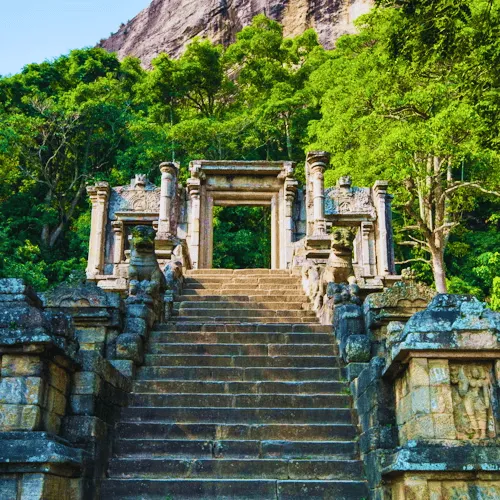
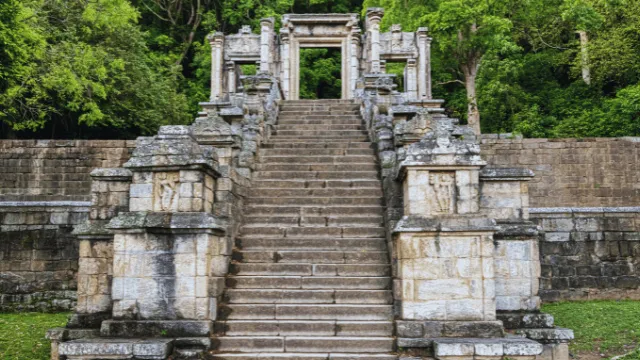
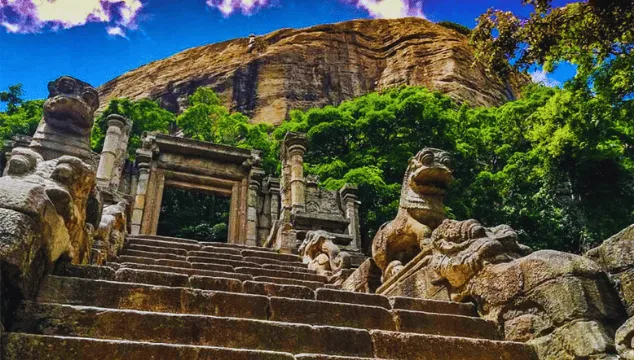
One of the most famous features of Yapahuwa is its beautifully carved stone staircase. Decorated with intricate floral patterns, lions, and mythical creatures, this stairway once led to the Temple of the Sacred Tooth Relic. The detailed carvings are considered some of the finest examples of medieval Sri Lankan stone art.
Fortress Walls and Defensive Structures
Massive stone walls, gates, and ramparts once surrounded Yapahuwa Rock Fortress Sri Lanka, providing strong protection against invasions. These structures highlight the strategic planning used to turn the rock into a nearly impenetrable stronghold.
Rock Caves, Ponds, and Ruins
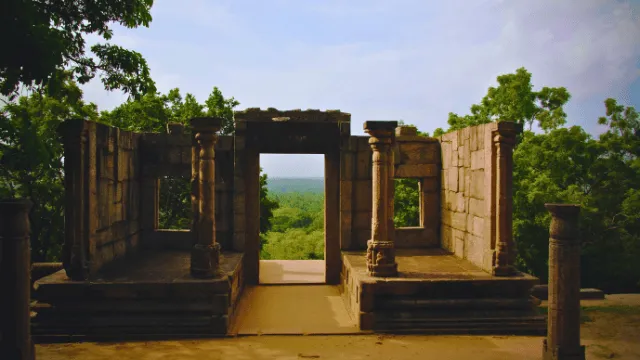
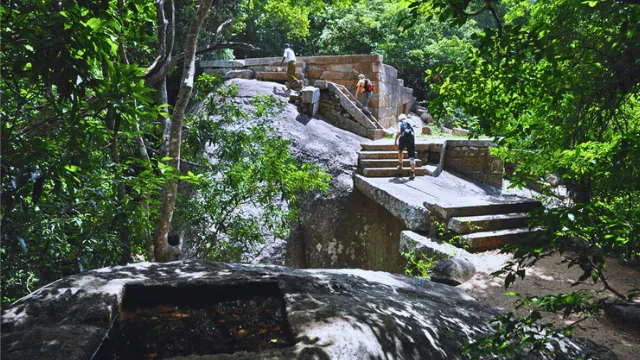
Scattered around the fortress are rock-cut caves, ancient ponds, and the remains of buildings believed to be used by monks and royal guards. These features show how Yapahuwa functioned not only as a military base but also as a religious and residential complex.
Together, these architectural elements make Yapahuwa Rock Fortress Sri Lanka a fascinating site where history, art, and engineering come together in perfect harmony.
What to Expect When Visiting Yapahuwa Rock Fortress Sri Lanka
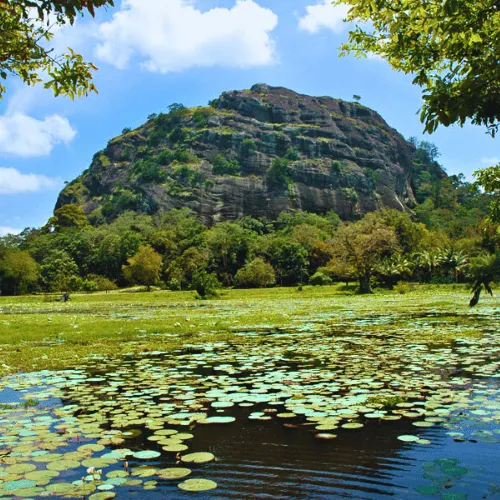
Visiting Yapahuwa Rock Fortress Sri Lanka is a rewarding experience that combines light adventure, history, and stunning natural scenery. While the site is less crowded than famous rock fortresses like Sigiriya, it still offers equally memorable views and cultural value.
Hiking and Climbing Experience
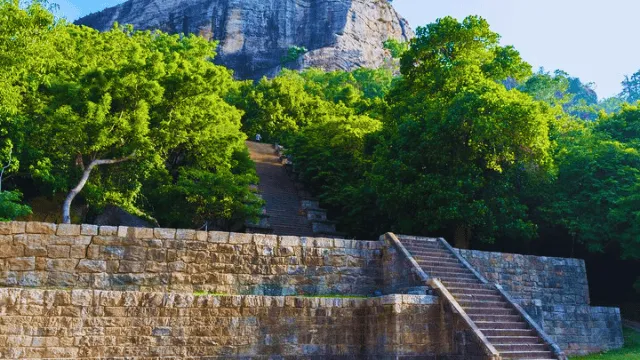
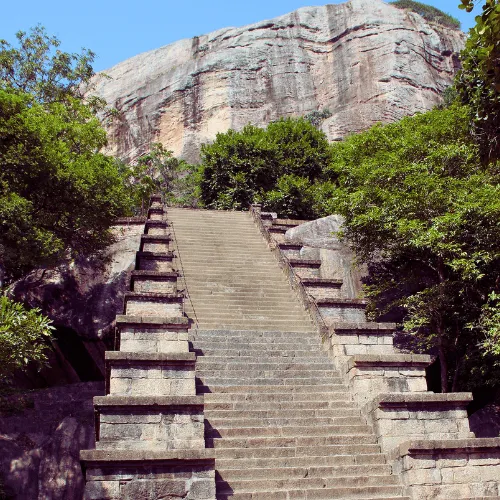
Reaching the top of Yapahuwa Rock Fortress Sri Lanka involves climbing a series of stone steps carved into the rock. The climb is moderate in difficulty and suitable for most visitors with basic fitness. Handrails are available in some sections, but wearing comfortable shoes is highly recommended, especially during hot or rainy weather.
Breathtaking Views from the Summit
Once you reach the top, you’ll be rewarded with panoramic views of the surrounding countryside, including lush fields, villages, and distant hills. The peaceful atmosphere at the summit makes it an ideal spot to relax and take in the beauty of rural Sri Lanka.
Photography and Exploration
Yapahuwa is a great destination for photography lovers. From the ornate stone stairway to the wide-open views at the peak, there are plenty of picture-perfect moments. You’ll also have time to explore ancient ruins, caves, and pathways that reveal the fortress’s historical significance.
Best Time to Visit Yapahuwa Rock Fortress Sri Lanka
The best time to visit Yapahuwa Rock Fortress Sri Lanka is during the dry season, from December to April, when the weather is warm, sunny, and ideal for climbing the rock. During these months, the stone steps are less slippery, and visibility from the top is clear, making it perfect for sightseeing and photography.
Best Time of Day
Early morning (7:00 AM – 9:00 AM) or late afternoon (4:00 PM – 6:00 PM) is the most comfortable time to explore Yapahuwa Rock Fortress Sri Lanka. These hours help you avoid the midday heat and allow you to enjoy cooler temperatures along with softer lighting for photos.
Monsoon Considerations
The southwest monsoon (May to September) can bring occasional rain, which may make the steps slippery and the climb more challenging. If visiting during this period, take extra care and check weather conditions in advance.
For the most enjoyable and safe experience, plan your visit to Yapahuwa Rock Fortress Sri Lanka during the dry months and aim for early morning or late afternoon exploration.
Travel Tips for Visiting Yapahuwa Rock Fortress Sri Lanka
Visiting Yapahuwa Rock Fortress Sri Lanka can be an unforgettable experience if you plan ahead. Here are some practical tips to make your trip smooth, safe, and enjoyable:
Entrance Fees and Opening Hours
- The fortress is open daily, usually from 7:00 AM to 5:00 PM.
- Entrance fees are affordable for both locals and international tourists. It’s best to carry some cash as card payments may not be available.
What to Wear and Carry
- Wear comfortable clothing suitable for climbing and warm weather.
- Sturdy shoes are essential for safely navigating the stone steps.
- Carry water, sunscreen, and a hat to stay hydrated and protected from the sun.
Cultural Etiquette
- Respect the historic site: Do not touch or climb on fragile ruins.
- If visiting religious areas, dress modestly and remove shoes where required.
- Be mindful of local customs and avoid loud behavior.
Safety Tips (Including Hotels & Accommodation)
- Stay at reputable hotels or guesthouses in Yapahuwa, Kurunegala, or Anuradhapura areas.
- Check online reviews before booking your hotel.
- Avoid late-night travel, as the area around Yapahuwa is quiet and rural.
- Follow hotel staff advice on local transport and safe visiting times.
- Keep valuable items such as passports and extra cash in the hotel safe.
- Keep your belongings secure, especially during the rock climb.
- Take your time on the steps and avoid rushing while climbing or descending.
- Be extra cautious during rainy or humid weather, as stone surfaces may be slippery.
- Solo travelers should choose hotels in town areas rather than isolated locations.
Cultural Etiquette
- Respect the historical site and do not touch or climb on fragile ruins.
- Dress modestly when visiting religious areas.
- Maintain a calm and respectful behavior throughout your visit.
Nearby Attractions to Explore After Yapahuwa
After visiting Yapahuwa Rock Fortress Sri Lanka, there are several interesting nearby attractions that can make your trip even more memorable:
1. Ritigala Forest Monastery
Located about 40 km from Yapahuwa, Ritigala is an ancient Buddhist monastery set amidst lush forests. It offers hiking trails, ruins of meditation halls, and a serene environment perfect for nature and history lovers.
2. Kurunegala Rock and Kurunegala Town
Just 30 km away, Kurunegala features another iconic rock formation with a giant Buddha statue at the top. The town also has local markets, temples, and restaurants to explore.
3. Anuradhapura Sacred City
Approximately 90 km from Yapahuwa, Anuradhapura is one of Sri Lanka’s ancient capitals. It’s a UNESCO World Heritage Site with massive dagobas, monasteries, and historical landmarks—ideal for travelers wanting a deep dive into Sri Lanka’s rich history.
4. Mihintale
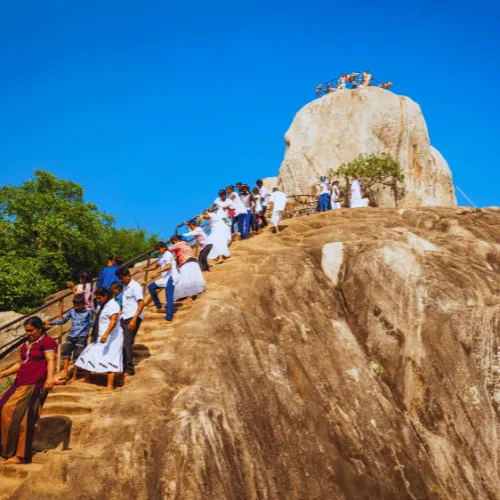
About 80 km from Yapahuwa, Mihintale is the birthplace of Buddhism in Sri Lanka. Visitors can climb ancient stairways, explore temples, and enjoy panoramic views of the surrounding plains.
Exploring these nearby sites allows travelers to experience more of Sri Lanka’s ancient history, culture, and natural beauty, turning a single visit to Yapahuwa into a full-day or multi-day adventure.
Conclusion & Call-to-Action
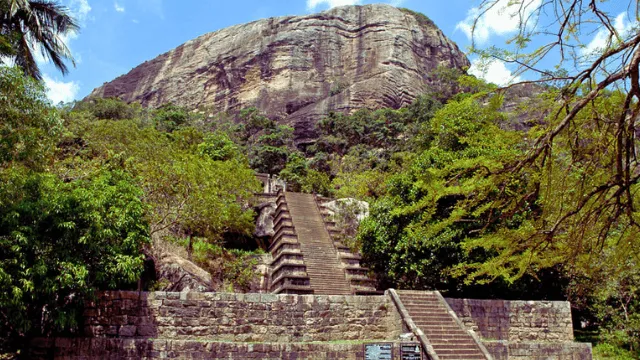
Yapahuwa Rock Fortress Sri Lanka is more than just an ancient ruin—it’s a window into Sri Lanka’s rich history, culture, and architectural brilliance. From climbing the iconic stone stairway to exploring fortress ruins and enjoying panoramic views of the countryside, every step at Yapahuwa offers a unique and memorable experience.
Whether you’re a history enthusiast, a nature lover, or a curious traveler seeking off-the-beaten-path adventures, Yapahuwa Rock Fortress Sri Lanka is a destination that should not be missed.
Call-to-Action:
🌟 Ready to explore Sri Lanka’s hidden treasures? Add Yapahuwa Rock Fortress Sri Lanka to your travel itinerary today and experience history, adventure, and breathtaking views in one unforgettable visit!
Read more about Madol Duwa Sri Lanka, Wonder of Trincomalee Sri Lanka in our other travel articles.